
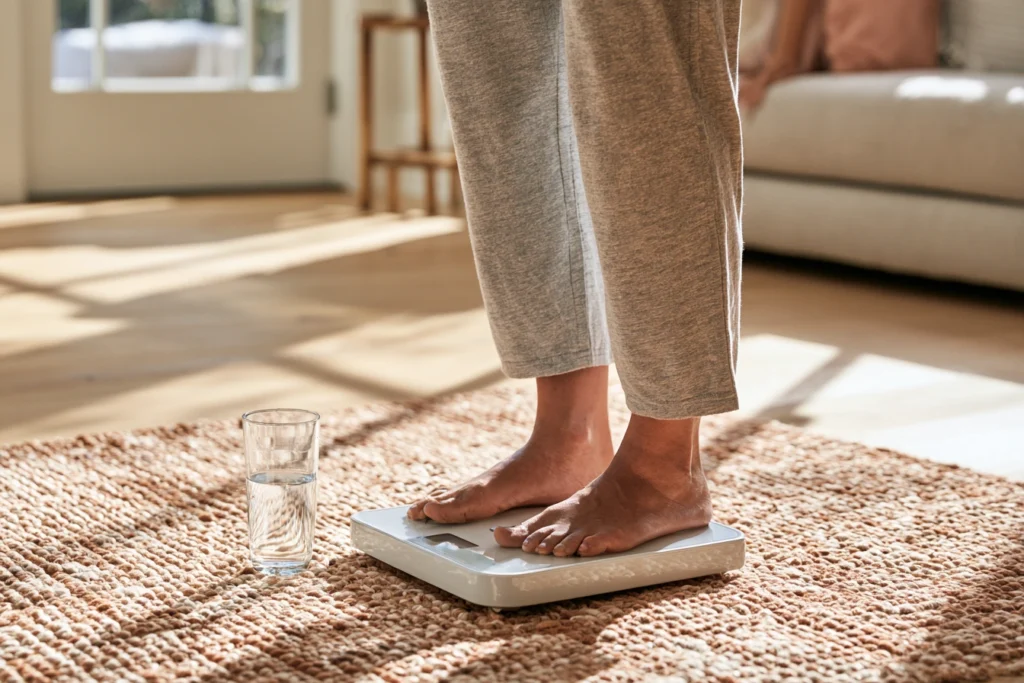
If you have ever donated plasma and noticed that the number on the scale was slightly lower afterward, you may have wondered: does donating plasma make you lose weight?
It is a surprisingly common question, especially because plasma donation removes fluid from the bloodstream and your body must use energy afterward to replace what was lost. You may even come across claims suggesting that donating plasma burns hundreds of calories.
But there is an important medical distinction between losing water weight, burning calories, and actually losing body fat.
The short answer is that plasma donation may cause a small temporary decrease in body weight, mostly because of fluid loss. Your body also uses some energy during recovery. However, donating plasma is not considered an effective or appropriate method for long-term weight loss.
Let’s look more closely at what actually happens to your body during and after plasma donation.
Does Donating Plasma Make You Lose Weight?
Not in the way most people mean when they talk about weight loss.
Immediately after donating plasma, you may weigh slightly less because a certain volume of plasma has been removed from your bloodstream.
Plasma is composed largely of water. When that fluid leaves your body, your total body weight temporarily decreases.
However, this is mainly water weight—not body fat.
Your body immediately begins working to restore its normal fluid balance. Once you drink fluids, eat normally, and recover from the donation, much of the temporary weight difference should disappear.
This is similar to what happens when you sweat heavily during exercise. You may weigh less immediately afterward, but most of that difference represents water loss rather than fat loss.
Therefore, if you are wondering does donating plasma make you lose weight permanently, the evidence does not support using plasma donation as a weight-loss strategy.
What Actually Happens During Plasma Donation?
Plasma is the yellowish liquid portion of your blood. It contains mostly water but also carries proteins, electrolytes, hormones, nutrients, antibodies, and other important substances throughout the body.
During plasma donation, a process called plasmapheresis is used.
Blood is drawn from your body and passed through a machine that separates the plasma from the cellular components of the blood. Your red blood cells and other components are then returned to you.
Because plasma contains water and proteins, your body must replace these substances following the donation.
This recovery process requires metabolic activity, which is one reason people sometimes associate plasma donation with calorie expenditure.
Does Donating Plasma Burn Calories?
Yes, your body does use energy during the donation and recovery process.
After plasma is removed, your body has several jobs to perform.
It must restore normal fluid balance, maintain circulation, regenerate plasma proteins, and return the body’s internal environment to its usual state.
All of these processes require energy.
Some plasma donation sources estimate that a session may result in approximately 450 to 650 calories of energy expenditure, depending on the volume donated and individual factors.
However, this number needs to be interpreted carefully.
There is limited high-quality clinical evidence establishing an exact number of calories burned during plasma donation. More importantly, even if your body uses additional energy during recovery, this does not automatically mean that you will lose body fat.
This is why I would never consider plasma donation equivalent to completing a workout or following a structured weight-loss program.
My Perspective on Plasma Donation and Weight Loss
When I look at this question from a medical perspective, I think the most important issue is understanding what the number on the scale actually represents.
Imagine that you weigh yourself immediately before donating plasma and again shortly afterward.
If the second number is lower, it can feel like you have lost weight.
Technically, your total body weight may indeed be temporarily lower. But that does not mean you suddenly lost an equivalent amount of body fat.
Most of the immediate difference comes from fluid leaving the body.
This is why I would not recommend looking at plasma donation as a weight-loss tool.
If your objective is fat loss, it is much more useful to focus on nutrition, regular movement, resistance exercise, sleep, and sustainable lifestyle habits.
Plasma donation has an entirely different purpose.
Water Weight vs. Fat Loss
Understanding this difference answers much of the confusion around does donating plasma make you lose weight.
Water Weight
Water accounts for a large proportion of your total body weight.
Your weight can fluctuate from day to day depending on hydration, sodium consumption, carbohydrate intake, hormones, exercise, and even the amount of food in your digestive system.
Plasma donation temporarily removes fluid from circulation.
Consequently, you might see a small decrease on the scale.
After you rehydrate, your body restores its fluid balance and your weight can increase again.
This is completely normal.
Body-Fat Loss
Losing body fat is different.
Your body stores excess energy primarily as fat. To reduce those stores, your body generally needs to use more energy than it receives from food over a sustained period.
That is why successful fat-loss strategies usually involve nutrition, physical activity, and behavioral changes maintained over weeks or months.
One plasma donation does not create the same physiological effect as consistently maintaining an appropriate energy deficit.
Does Plasma Donation Increase Your Metabolism?
You may also hear that plasma donation “boosts your metabolism.”
This statement can be misleading.
Your body certainly uses energy after donating. It must replace fluid and produce proteins such as albumin and immunoglobulins.
Protein synthesis requires energy.
However, that does not mean plasma donation causes a meaningful or sustained increase in your metabolic rate.
Your overall metabolism is influenced by many factors, including your age, body size, muscle mass, genetics, hormones, diet, and activity level.
The temporary recovery response following donation should therefore not be viewed as a metabolism-boosting weight-loss technique.

What Happens to Plasma Proteins After Donation?
This is another reason I would be cautious about focusing only on calories.
Plasma is not simply water.
It contains important proteins, including albumin, immunoglobulins, and proteins involved in blood clotting.
When plasma is donated, some of these proteins are removed as well.
Your body then needs time to replace them.
Research on frequent plasma donation has shown that donation frequency can influence blood protein concentrations and other biological markers.
This does not mean that plasma donation is unsafe for healthy, appropriately screened donors. Donation centers follow eligibility criteria and safety procedures for a reason.
It does mean, however, that plasma donation is a genuine physiological process—not simply an unusual way to burn calories.
Can Donating Plasma Regularly Help You Lose Weight?
There is currently no convincing evidence that regularly donating plasma is an effective strategy for sustainable fat loss.
This is especially important because someone could make a tempting calculation.
For example, if you assume that every donation burns several hundred calories and then multiply that number by multiple donations per month, it may appear that plasma donation could produce significant weight loss.
The human body does not work that simply.
Your appetite may change. You may eat more before or after donation. Your activity level may decrease temporarily if you feel tired. Your body also adapts to changes in energy expenditure.
Therefore, estimated calorie expenditure cannot simply be converted into predicted pounds of body fat lost.

Could You Feel Hungrier After Donating Plasma?
Some donors may notice increased hunger following donation, although experiences vary considerably.
This is another factor that makes the calorie argument complicated.
If your body uses additional energy during recovery but you subsequently consume more calories because you are hungry, the theoretical energy deficit may become very small or disappear completely.
For weight management, what happens consistently over days, weeks, and months matters much more than the metabolic effect of one isolated event.
What Should You Eat Before and After Plasma Donation?
Instead of thinking about how many calories you can burn, focus on helping your body recover appropriately.
Stay Well Hydrated
Because plasma contains a significant amount of water, hydration is particularly important.
Drink adequate fluids before your appointment and follow the hydration instructions provided by the donation center afterward.
Eat Enough Protein
Protein supports normal tissue maintenance and helps provide the amino acids your body needs to synthesize new proteins.
Useful protein sources include:
- Eggs
- Fish
- Chicken
- Greek yogurt
- Milk
- Lentils
- Beans
- Tofu
- Lean meats
A balanced diet is generally more useful than trying to compensate with one very large meal.
Consider Iron-Rich Foods
Although red blood cells are largely returned during plasma donation, frequent donors should still pay attention to overall nutritional quality.
Foods containing iron include lean meats, lentils, beans, leafy green vegetables, and fortified cereals.
Individual nutritional requirements vary, so people who donate frequently should follow the recommendations of their donation center or healthcare professional.
If weight loss is your goal, you may also want to explore our detailed guide on which GLP-1 is best for weight loss.
Can You Exercise After Donating Plasma?
If you are trying to lose weight, you may be tempted to combine plasma donation with an intense workout to increase your calorie expenditure.
That is not a good strategy immediately after donating.
Your circulating fluid volume has temporarily changed, and some people may experience dizziness, fatigue, weakness, or lightheadedness.
Your body needs time to recover.
Follow your donation center’s instructions regarding physical activity, drink adequate fluids, and avoid strenuous exercise for the recommended recovery period.
You can return to your normal exercise routine when you have recovered appropriately.
For more practical weight-management strategies, discover our tips to lose belly fat and build healthier, sustainable habits
Is Plasma Donation Safe?
Plasma donation is generally performed under established medical and regulatory guidelines for eligible donors.
Before donating, individuals are screened to determine whether they meet specific health requirements.
Nevertheless, side effects can occur.
Some people experience temporary symptoms such as:
- Lightheadedness
- Fatigue
- Bruising
- Weakness
- Discomfort at the needle site
- Dehydration-related symptoms
More significant reactions are less common but can occur.
If you experience persistent or severe symptoms after donating, contact the donation center or seek medical advice.
Most importantly, never increase donation frequency simply because you believe it will accelerate weight loss.
Looking for a simple way to support your nutrition and gut health? Discover our guide to the 10 health benefits of kefir.
Does Donating Plasma Make Your Stomach Flatter?
Not because you have lost abdominal fat.
You might occasionally feel or look slightly different because of temporary changes in hydration, but plasma donation does not specifically target belly fat.
Unfortunately, the body cannot selectively remove fat from the abdomen simply because plasma has been donated.
Where your body stores and loses fat depends on several factors, including genetics, hormones, sex, age, and overall body composition.
Better Ways to Lose Body Fat
If your real reason for asking does donating plasma make you lose weight is that you are searching for an effective way to reduce body fat, focus on methods supported by much stronger evidence.
A sustainable weight-management plan generally includes:
- A moderate and realistic calorie deficit
- Adequate protein intake
- Plenty of vegetables, fruits, and high-fiber foods
- Regular walking and daily movement
- Resistance or strength training
- Consistent sleep
- Limiting highly processed, calorie-dense foods
- Tracking progress over several weeks rather than day to day
You do not need extreme measures.
In many cases, simple habits practiced consistently produce better long-term results than strategies promising rapid calorie burning.
Frequently Asked Questions About Does Donating Plasma Make You Lose Weight
How many calories do you lose when you donate plasma?
Some plasma-donation sources estimate that the body may use around 450–650 calories during donation and recovery as it restores fluids and plasma proteins. However, this figure is an estimate and is not well established by high-quality clinical studies. Plasma donation should not be considered a weight-loss method.
Does donating blood actually burn 600 calories?
You may see claims that donating a pint of whole blood requires roughly 600–650 calories for the body to replace the lost blood components. However, there is limited strong scientific evidence confirming an exact calorie number. Donating blood should therefore not be treated as equivalent to burning 600 calories through exercise.
Why do I feel so good after donating plasma?
Feeling good after donating may have a psychological component. Research on blood donors has found associations with feelings of satisfaction, happiness, relaxation, and improved well-being, possibly because helping others provides a sense of purpose and accomplishment. However, experiences vary—some donors instead feel tired, dizzy, or no different afterward.
Does donating plasma make you lose weight immediately?
You may weigh slightly less immediately after donating plasma, primarily because fluid has been removed from your bloodstream. This is mostly temporary water-weight loss rather than body-fat loss.
Can donating plasma help you lose belly fat?
No. Plasma donation does not specifically reduce abdominal fat or target fat from any particular part of the body.
Will the weight come back after donating plasma?
If your weight decreases because of temporary fluid loss, it will naturally increase again as you drink fluids and your body restores normal hydration. This should not be confused with gaining body fat.
Does donating plasma speed up your metabolism?
Your body uses energy to recover and replace plasma components, but there is insufficient evidence that plasma donation causes a significant or sustained increase in metabolism.
Should I donate plasma specifically to lose weight?
No. Plasma donation should not be used as a weight-loss strategy. If you are eligible to donate, the decision should be based on donation itself rather than attempting to manipulate your body weight.
The Bottom Line
So, does donating plasma make you lose weight?
You may see a temporary decrease on the scale after donating because plasma contains a large amount of water. Your body also uses energy while restoring fluid balance and replacing plasma proteins.
But neither of these effects means plasma donation is an effective way to lose body fat.
The immediate weight change is primarily related to fluid and should largely reverse as you rehydrate. Although your body expends calories during recovery, there is not enough evidence to consider plasma donation a meaningful or reliable weight-loss method.
If your goal is sustainable fat loss, focus on the fundamentals: balanced nutrition, an appropriate calorie deficit, adequate protein, regular physical activity, strength training, and good sleep.
Plasma donation can serve an important medical purpose, but weight loss should not be the reason you donate.
Medical Disclaimer: This article is intended for general educational and informational purposes only. It does not replace professional medical advice, diagnosis, or treatment. Plasma donation eligibility and recommended donation frequency depend on individual health circumstances and local regulations. Always follow the recommendations of your healthcare professional and the medical staff at your donation center.
To ensure medical accuracy, this article draws on evidence and insights from trusted resources, including PlasmaSource and peer-reviewed research available through the National Library of Medicine.
Medically Written & Reviewed: This article was written by Dr. Soumia, based on current medical evidence and trusted healthcare sources, with a focus on providing accurate, clear, and reliable health information