
Sensitive skin is increasingly recognized as a dermatological condition rather than simply a cosmetic concern. Many people experience redness, burning sensations, dryness, or discomfort when exposed to environmental triggers or harsh skincare ingredients. Choosing the right moisturizer for sensitive skin is therefore essential not only for comfort but also for restoring the skin barrier and maintaining long-term skin health.
As a physician who regularly advises patients dealing with irritation and reactive skin, I have observed that the correct moisturizer can significantly improve skin tolerance, reduce inflammation, and prevent recurring flare-ups. A well-formulated moisturizer for sensitive skin works by delivering hydration while strengthening the epidermal barrier without causing irritation.
Understanding Sensitive Skin from a Medical Perspective
Sensitive skin often results from a weakened stratum corneum, the outermost layer of the epidermis. When this protective barrier becomes compromised, the skin loses moisture more easily and becomes vulnerable to irritants. Patients frequently report tightness after cleansing, redness after applying products, or sudden dryness.
Common clinical signs include:
- Persistent erythema
- Burning or stinging sensations
- Flaking and rough texture
- Increased reactivity to weather changes
In dermatology, restoring barrier integrity is considered the first therapeutic step. This is why selecting an appropriate moisturizer for sensitive skin plays a central role in treatment plans.
Why Hydration Is Essential for Sensitive Skin
Hydration is more than a cosmetic step; it is a medical necessity. A high-quality moisturizer for sensitive skin reduces transepidermal water loss, improves elasticity, and supports natural healing mechanisms.
In my clinical practice, many patients initially focus on active treatments such as exfoliating acids or anti-aging products. However, once they simplify their routine and introduce a gentle moisturizer, redness and irritation often improve within weeks.
Dermatology experts recommend consistent use of a moisturizer for sensitive skin twice daily to maintain hydration levels and prevent barrier disruption.

Key Ingredients That Dermatologists Recommend
Ceramides and Lipid Complexes
Ceramides help rebuild the skin’s lipid barrier and are frequently found in dermatologist-recommended products such as CeraVe Moisturizing Cream and La Roche-Posay Toleriane Double Repair Face Moisturizer. These ingredients support long-term hydration and reduce irritation.
Hyaluronic Acid and Glycerin
Humectants such as hyaluronic acid attract water to the skin without causing sensitivity. Products like Neutrogena Hydro Boost Gel-Cream (Fragrance-Free) offer lightweight hydration suitable for reactive skin.
Niacinamide and Calming Agents
Niacinamide reduces redness and improves barrier strength over time. Many patients tolerate formulations like Avène Tolerance Control Soothing Skin Recovery Cream, which focuses on minimal ingredients.
A well-balanced moisturizer for sensitive skin combines these elements to provide hydration without overwhelming the skin.
Ingredients to Avoid in Sensitive Skin Care
Patients with reactive skin should minimize exposure to certain triggers. Dermatology guidelines suggest avoiding:
- Artificial fragrance
- Harsh alcohols
- Essential oils in high concentration
- Strong exfoliating acids used daily
In my experience, switching to a minimalist moisturizer for sensitive skin with fewer irritants often leads to rapid improvement.
Suggested Dermatologist-Approved Product Names
While individual tolerance varies, several products are frequently recommended due to their gentle formulations:
- CeraVe Moisturizing Cream
- La Roche-Posay Toleriane Sensitive Fluide
- Avène Tolerance Control Cream
- Vanicream Moisturizing Cream
- Bioderma Sensibio Defensive Cream
- First Aid Beauty Ultra Repair Cream
These examples illustrate what to look for in a reliable moisturizer for sensitive skin: fragrance-free formulas, barrier-repair ingredients, and simple compositions.
My Clinical Experience with Moisturizers for Reactive Skin
As a doctor, I often see patients who believe their skin needs aggressive treatment when, in reality, it requires calm and consistent hydration. Introducing a gentle moisturizer for sensitive skin frequently reduces redness more effectively than complex skincare routines.
Several patterns appear repeatedly:
- Barrier repair leads to faster visible improvement than frequent product changes.
- Over-exfoliation is one of the most common causes of chronic sensitivity.
- Consistency is more important than luxury branding.
Patients who apply a moisturizer for sensitive skin morning and evening often notice smoother texture and improved comfort within two to four weeks.
How to Choose the Right Texture for Your Skin Type
Not every moisturizer has the same consistency, and choosing the correct texture can improve tolerance.
- Creams are ideal for dry or compromised skin barriers.
- Lotions provide lighter hydration for combination skin.
- Gel-cream formulas suit individuals who experience oiliness alongside sensitivity.
For example, Vanicream Moisturizing Cream is often recommended for very reactive skin due to its simple formulation, while Bioderma Sensibio Defensive offers lightweight comfort for daily use.
Selecting the right moisturizer for sensitive skin depends on individual needs, climate, and skin condition.

Proper Application Techniques
Even the most effective product may fail if applied incorrectly. Dermatologists advise:
- Applying moisturizer immediately after cleansing while the skin remains slightly damp
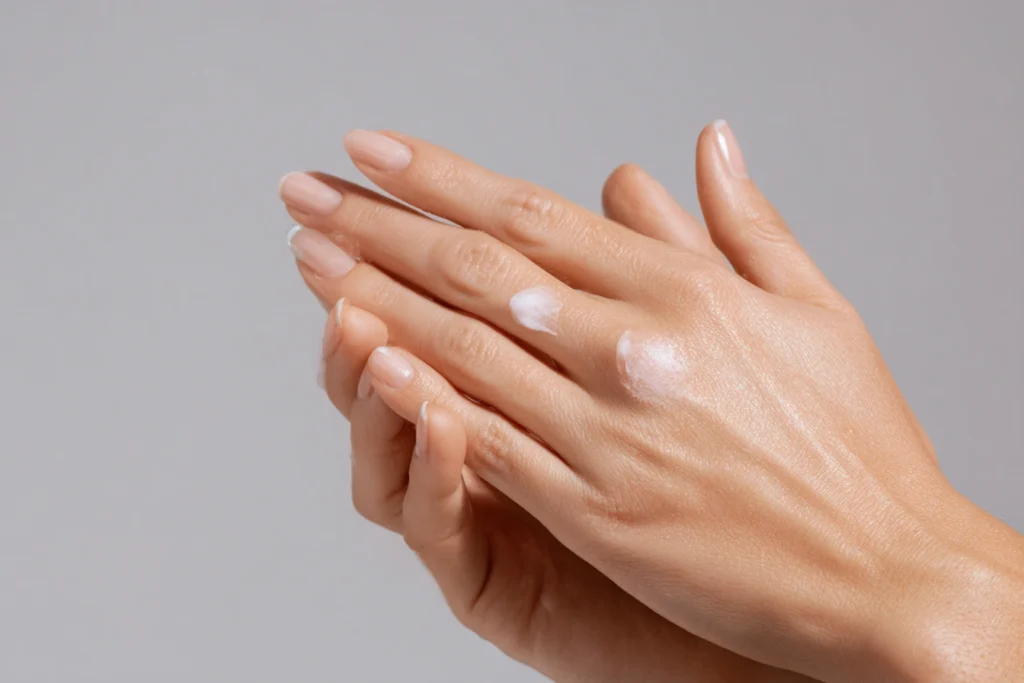
- Using gentle pressing motions instead of rubbing
- Avoiding excessive layering of active ingredients
A carefully chosen moisturizer for sensitive skin should feel soothing on application and should not produce tingling or heat.
The Science Behind Barrier Repair
The skin barrier contains lipids that function like mortar between cells. When these lipids decrease, inflammation increases. Scientific research shows that replenishing ceramides and maintaining hydration can restore barrier integrity and reduce sensitivity.
Using a moisturizer for sensitive skin regularly allows the epidermis to rebuild its natural defense system. Over time, patients often experience fewer reactions to environmental triggers such as cold weather or pollution.
Common Mistakes That Can Worsen Sensitive Skin
Many individuals unknowingly aggravate their condition through daily habits. Some of the most frequent errors include:
- Changing products too often
- Using fragranced products designed for normal skin
- Combining multiple exfoliating treatments simultaneously
From a medical perspective, simplifying skincare around a gentle moisturizer for sensitive skin often leads to better results than complex routines.
Building a Gentle Routine Around Moisturizing
A simple routine can provide excellent results:
Morning
- Mild cleanser
- Lightweight moisturizer
- Sunscreen
Evening
- Gentle cleanser
- Richer moisturizer to support overnight repair
Consistency with a moisturizer for sensitive skin remains the foundation of effective care.
Frequently Asked Questions
Which type of moisturizer is best for sensitive skin?
Dermatology research suggests that fragrance-free, hypoallergenic creams containing ceramides, glycerin, or hyaluronic acid are the safest options. Barrier-repair formulas with minimal ingredients help reduce irritation and support hydration.
What’s the best sensitive skin moisturizer?
There is no single “best” product for everyone, but dermatologists often recommend gentle formulas such as ceramide-based creams or soothing oat-based moisturizers. The best choice is one that calms the skin without causing burning or redness.
What is the best moisturiser for sensitive skin?
The most suitable moisturiser is typically a non-comedogenic, alcohol-free cream designed for reactive skin. Products like CeraVe Moisturizing Cream, La Roche-Posay Toleriane, or Avène Tolerance Control are commonly suggested because of their simple and soothing compositions.
Is Cetaphil for sensitive skin?
Yes. Many Cetaphil products are formulated specifically for sensitive skin, as they are fragrance-free and designed to maintain the skin barrier. However, tolerance can vary, so patch testing is always recommended.
Final Thoughts: Moisturizing as a Therapeutic Strategy
Sensitive skin requires patience, simplicity, and scientifically supported ingredients. Rather than relying on aggressive treatments, focusing on hydration and barrier repair offers long-term benefits.
From both dermatology research and my own clinical experience, the right moisturizer for sensitive skin can calm inflammation, improve comfort, and strengthen the skin’s natural resilience. By choosing fragrance-free formulas, prioritizing ceramides and humectants, and maintaining a consistent routine, patients can achieve healthier and more balanced skin without unnecessary irritation.
This article reflects insights inspired by expert beauty editors and dermatology-focused resources
To ensure a balanced and well-researched approach, we have drawn on respected external resources