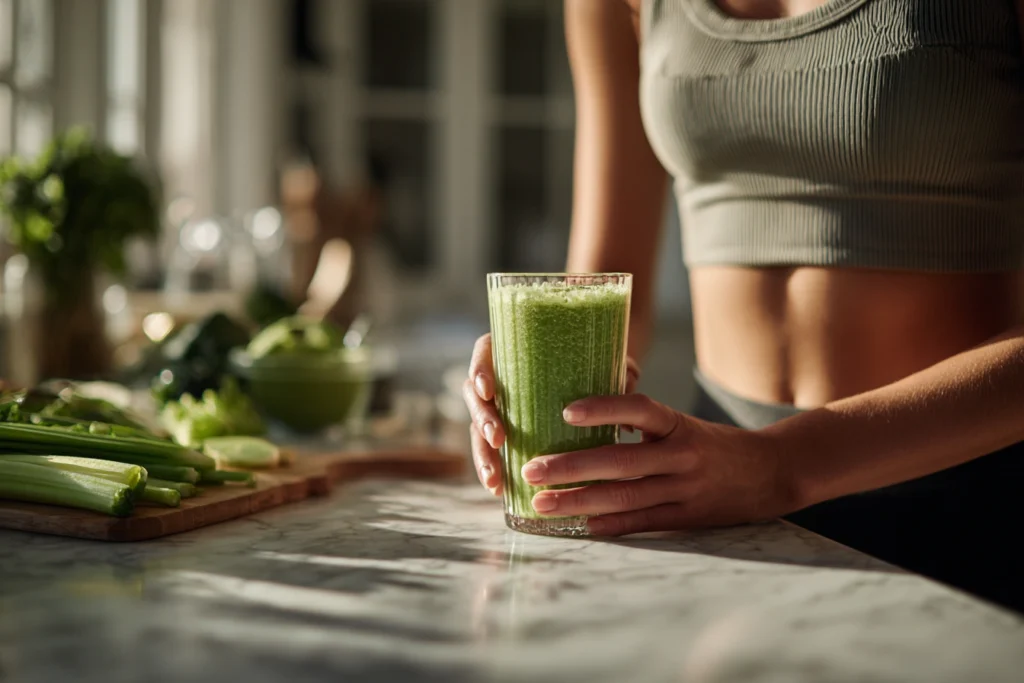

Skin health is closely linked to nutrition, hydration, and internal balance. While topical products can improve appearance, scientific research shows that diet strongly influences inflammation, collagen production, and overall skin quality. The concept of Foods for Healthy Skin is increasingly supported by dermatology and nutritional science because the nutrients we consume directly affect how the skin repairs and protects itself.
As a physician, I frequently see patients searching for quick cosmetic solutions. However, many notice significant improvements when they adopt dietary habits centered around Foods for Healthy Skin. Understanding how nutrition works at a cellular level helps explain why certain foods contribute to a clearer, brighter complexion.
Why Nutrition Is Essential for Skin Function
The skin constantly renews itself, and this process requires vitamins, antioxidants, essential fatty acids, and minerals. A balanced diet helps maintain hydration, elasticity, and resistance to environmental stressors.
When patients ask about long-term strategies, I explain that Foods for Healthy Skin support collagen synthesis and reduce oxidative damage. Diets lacking essential nutrients may lead to dryness, uneven tone, or increased sensitivity. Consistent intake of nutrient-dense foods helps the skin maintain a healthy barrier and optimal regeneration.
Fatty Fish and Omega-3 Fatty Acids
Fatty fish such as salmon, sardines, and mackerel are rich in omega-3 fatty acids, which play a key role in reducing inflammation. These healthy fats strengthen the skin barrier and help retain moisture.
From clinical observation, patients who incorporate fatty fish into their weekly meals often experience improved hydration and less redness. Omega-3 intake is a fundamental component of Foods for Healthy Skin, especially for individuals with dry or sensitive complexions. Including fish regularly can help maintain smooth and resilient skin over time.
Avocados and Healthy Lipids
Avocados provide monounsaturated fats and vitamin E, both essential for protecting skin cells from oxidative stress. Vitamin E works synergistically with other antioxidants to preserve skin elasticity.
In my consultations, I often recommend avocados as a practical example of Foods for Healthy Skin because they are easy to integrate into daily meals. Patients who switch from processed snacks to nutrient-rich fats frequently notice gradual improvements in skin softness and glow.
Nuts and Seeds: Zinc and Skin Repair
Walnuts, almonds, and chia seeds are valuable sources of zinc, selenium, and essential fatty acids. Zinc is particularly important for wound healing and maintaining balanced inflammation.
Many dermatology nutrition programs emphasize nuts and seeds as Foods for Healthy Skin because they support cellular repair and protect against oxidative damage. Patients with acne-prone skin sometimes benefit from moderate intake of zinc-rich foods alongside a balanced lifestyle.
Colorful Vegetables and Beta-Carotene
Sweet potatoes, carrots, and pumpkins contain beta-carotene, which the body converts into vitamin A. This nutrient supports skin renewal and contributes to a healthy complexion.
I often encourage patients to focus on vibrant vegetables as part of Foods for Healthy Skin, explaining that natural pigments reflect antioxidant content. Over time, diets rich in colorful produce may enhance skin brightness and resilience against environmental stress.
Vitamin C Sources and Collagen Production
Vitamin C is essential for collagen formation, making it a cornerstone of Foods for Healthy Skin. Bell peppers, citrus fruits, strawberries, and leafy greens provide natural sources that support structural integrity.
Patients sometimes ask about collagen supplements, but I remind them that adequate vitamin C intake helps the body produce collagen naturally. Including fresh fruits and vegetables daily can promote firmer, healthier skin.
Broccoli and Cruciferous Vegetables
Broccoli contains antioxidants and plant compounds that help neutralize free radicals. These nutrients contribute to skin protection and support detoxification processes within the body.
Adding cruciferous vegetables to meals is a simple way to follow the principles of Foods for Healthy Skin. Steamed broccoli, cauliflower, and kale provide vitamins that help maintain a balanced inflammatory response, which is important for overall skin clarity.
Tomatoes and Lycopene Protection
Tomatoes are rich in lycopene, a carotenoid known for supporting skin resilience against environmental stress. While dietary choices do not replace sun protection, they complement skincare routines.
Many patients enjoy incorporating tomatoes into salads or cooked dishes as part of Foods for Healthy Skin, especially when combined with healthy fats that enhance nutrient absorption. Regular intake may contribute to a more even skin tone.
Green Tea and Polyphenol-Rich Foods
Green tea and high-cocoa dark chocolate contain polyphenols, compounds known for their antioxidant effects. These nutrients support circulation and may improve skin hydration.
Moderate consumption of these options can be included within Foods for Healthy Skin, especially when replacing sugary snacks with nutrient-dense alternatives. Patients often appreciate that healthy skin nutrition does not require strict deprivation.

Soy Foods and Skin Elasticity
Soy products such as tofu and soy milk provide plant protein and isoflavones that support skin structure. These compounds may help maintain elasticity and hydration.
For individuals following plant-based diets, soy represents an important category of Foods for Healthy Skin because it combines protein with beneficial phytonutrients. Balanced intake can contribute to long-term skin health.
My Experience as a Physician: Real Observations
In daily practice, I observe that patients who prioritize Foods for Healthy Skin often achieve more stable improvements than those relying solely on cosmetic treatments. Some patterns I frequently notice include:
- Increased omega-3 intake is linked to improved hydration.
- Diets high in refined sugar may worsen inflammation.
- Consistency with nutrient-dense meals produces gradual but lasting results.
I always emphasize that skin regeneration takes time. When patients adopt a lifestyle centered around Foods for Healthy Skin, they build a foundation that supports both beauty and overall health.

Lifestyle Habits That Enhance Nutritional Benefits
Nutrition works best when combined with healthy routines. I encourage patients to pair Foods for Healthy Skin with simple lifestyle habits:
- Drink enough water throughout the day.
- Prioritize restorative sleep.
- Protect the skin from excessive sun exposure.
- Manage stress through relaxation or physical activity.
These factors enhance the positive effects of diet and help maintain long-term skin balance.

Suggested Shampoo Brands for Scalp Health
Since scalp health reflects overall skin balance, choosing gentle shampoos can complement a nutrient-focused routine. Some dermatologist-recommended options include:
- Nizoral Anti-Dandruff Shampoo
- Neutrogena T/Gel Therapeutic Shampoo
- Moroccanoil Scalp Balancing Shampoo
- Head & Shoulders DermaXPro
- Jupiter Balancing Shampoo
These products help maintain scalp hydration and reduce irritation, supporting healthier hair and skin.
Final Thoughts
Healthy skin is the result of consistent care from the inside and outside. Scientific evidence and clinical experience both show that dietary choices influence inflammation, hydration, and collagen production. By focusing on Foods for Healthy Skin, individuals can nourish their skin naturally while improving overall wellness.
Instead of searching for miracle products, adopting balanced eating habits offers a sustainable path toward radiant skin. Small daily choices — adding fatty fish, colorful vegetables, nuts, and antioxidant-rich foods — can transform skin health over time. When patients embrace Foods for Healthy Skin as part of their lifestyle, they often discover that beauty truly begins from within.
This article is inspired by evidence-based insights from trusted medical resources such as https://www.healthline.com/nutrition/12-foods-for-healthy-skin, helping provide accurate and science-supported information.