
diamondhealthguide.com

Skin & Hair

Onion Juice for Hair Growth

Onion Juice for Hair Growth: Scientific Evidence, Dermatologic Insights, and Clinical Experience

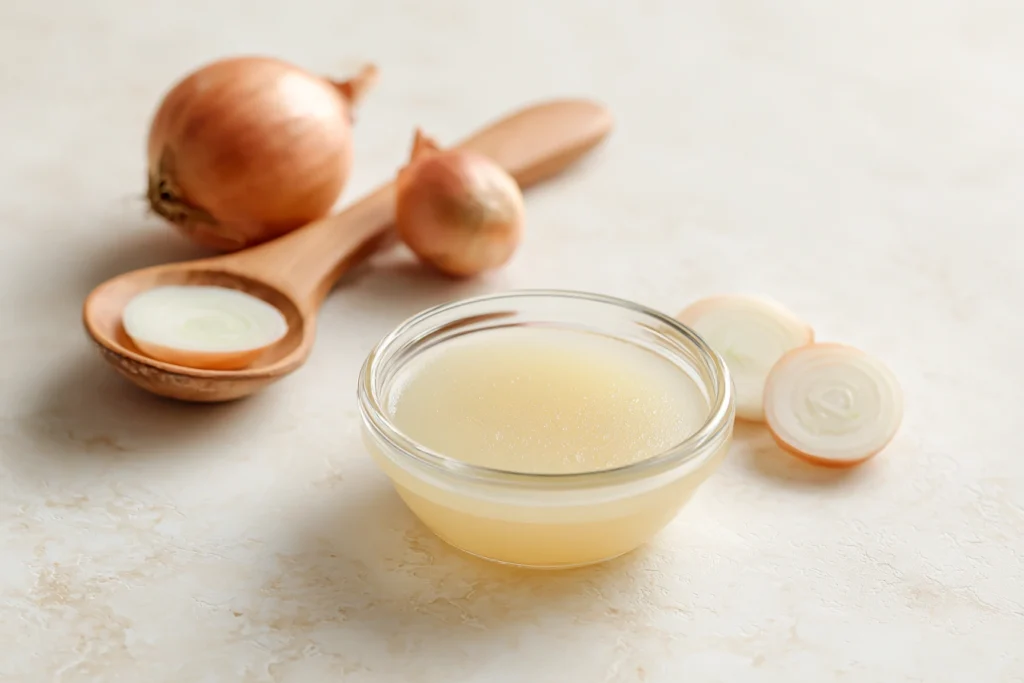
Hair loss is one of the most frequent concerns discussed in dermatology and aesthetic medicine. Patients often search for natural remedies that promise thicker and healthier hair, and one traditional solution that continues to gain attention is onion juice for hair growth. While widely discussed on social media, the medical value of this remedy requires a careful scientific evaluation. Understanding its biochemical properties, potential benefits, and limitations is essential before recommending or using onion juice for hair growth as part of a hair-care routine. Understanding the Concept Behind Onion Juice for Hair Growth Onions contain sulfur compounds, flavonoids, and antioxidants that may influence scalp health. Historically, onion extracts were used in traditional medicine for their antimicrobial and anti-inflammatory effects. Today, many people believe that onion juice for hair growth can stimulate follicles and improve hair density by supporting the structure of keratin. Sulfur is an important component of amino acids involved in hair formation. Because keratin relies on sulfur bonds for strength and elasticity, applying onion extract to the scalp may help reduce breakage and improve hair resilience. Although onion juice for hair growth has gained popularity, dermatologists emphasize that natural remedies should be viewed as complementary rather than curative treatments. Biological Mechanisms Behind Onion Juice for Hair Growth Sulfur and Keratin Reinforcement One of the most discussed mechanisms related to onion juice for hair growth is its sulfur content. Sulfur may support keratin synthesis and contribute to stronger hair shafts. While this does not guarantee new hair formation, it may improve the quality of existing strands and reduce fragility. Antioxidant Activity Onions contain compounds such as quercetin, which have antioxidant properties. These molecules may help reduce oxidative stress around the hair follicle. Since oxidative damage is associated with hair thinning, onion juice for hair growth may indirectly protect follicular cells. Anti-Inflammatory Effects Inflammation of the scalp can disrupt the hair growth cycle. Some research suggests that onion extract may calm irritation and support a healthier environment for follicles. In this context, onion juice for hair growth could help maintain the anagen phase, the stage in which hair actively grows. Microcirculation and Nutrient Delivery Another hypothesis is that onion juice may improve scalp circulation. Increased blood flow could enhance the delivery of oxygen and nutrients to hair follicles. Although evidence is limited, improved circulation is often mentioned as a possible explanation for the reported effects of onion juice for hair growth. How to Make Onion Juice for Hair Growth: Ingredients, Preparation, Application Steps & Monthly Usage Guide Ingredients Instructions Peel and chop the onion, then blend it until smooth. Strain the mixture using a clean cloth or fine sieve to extract the juice. Pour the onion juice into a small clean bowl and mix it with your chosen oil until well combined. If your scalp is sensitive, you can add a little aloe vera gel to make the mixture gentler. How to Apply Section the hair and apply the mixture directly onto the scalp using clean fingertips or a cotton pad. Massage gently for a few minutes to help distribute the product evenly. Leave it on for about 20–30 minutes, then wash with a mild shampoo and rinse thoroughly to remove the smell. How Often to Use Use this treatment 2–3 times per week, which equals about 8–12 applications per month. If you notice redness or irritation, reduce the frequency or stop using it. Clinical Research and Evidence Scientific research on onion juice for hair growth remains relatively limited but noteworthy. A small clinical study involving individuals with alopecia areata suggested that topical onion application could stimulate regrowth in certain cases. These findings sparked further interest in onion juice for hair growth as a natural alternative therapy. However, dermatology experts caution that results vary widely depending on the cause of hair loss. Hormonal conditions such as androgenetic alopecia may not respond significantly to onion juice for hair growth. Large randomized clinical trials are still needed to confirm consistent benefits across diverse populations. Potential Benefits Observed With Onion Juice for Hair Growth People who regularly use onion juice for hair growth often report improvements in the appearance and texture of their hair. These benefits may include increased shine, reduced breakage, and better scalp comfort. Some users also notice a reduction in dandruff, which may be linked to the antimicrobial properties of onion extract. It is important to understand that many of these improvements relate to scalp health rather than direct follicular stimulation. Therefore, onion juice for hair growth should be considered a supportive treatment rather than a guaranteed solution for hair loss. To deepen your skincare routine, discover our expert recommendations on choosing the right moisturizer for sensitive skin and restoring your skin barrier gently. My Medical Experience With Onion Juice for Hair Growth As a physician working with patients concerned about hair thinning, I have observed varying responses to onion juice for hair growth. Some individuals with mild inflammatory scalp issues reported improvements in hair texture and reduced shedding after consistent use. These results suggest that onion juice for hair growth may enhance scalp condition in certain cases. However, patients with advanced hormonal hair loss rarely experienced dramatic regrowth. This aligns with the broader dermatologic consensus that onion juice for hair growth cannot replace established medical therapies. One of the most common problems I encountered was excessive use, which sometimes caused irritation or redness. From a clinical perspective, combining natural remedies with nutritional support and medical evaluation often produces the best outcomes. If you’re exploring science-based solutions for hair health, you may also enjoy our detailed guide on whether Nutrafol truly delivers real results Safety Considerations and Side Effects Despite being a natural product, onion juice for hair growth can cause side effects. Some individuals experience scalp irritation, itching, or redness due to the strong sulfur compounds. Patch testing before regular use is strongly recommended. Allergic reactions are also possible, especially in people sensitive to onions or similar plants. In addition, the strong odor associated with onion juice for

Onion Juice for Hair Growth: Scientific Evidence, Dermatologic Insights, and Clinical Experience Read More »

Moisturizer for Sensitive Skin

Moisturizer for Sensitive Skin: A Medical Guide to Gentle Hydration, Barrier Repair, and Dermatologist-Recommended Care

Sensitive skin is increasingly recognized as a dermatological condition rather than simply a cosmetic concern. Many people experience redness, burning sensations, dryness, or discomfort when exposed to environmental triggers or harsh skincare ingredients. Choosing the right moisturizer for sensitive skin is therefore essential not only for comfort but also for restoring the skin barrier and maintaining long-term skin health. As a physician who regularly advises patients dealing with irritation and reactive skin, I have observed that the correct moisturizer can significantly improve skin tolerance, reduce inflammation, and prevent recurring flare-ups. A well-formulated moisturizer for sensitive skin works by delivering hydration while strengthening the epidermal barrier without causing irritation. Understanding Sensitive Skin from a Medical Perspective Sensitive skin often results from a weakened stratum corneum, the outermost layer of the epidermis. When this protective barrier becomes compromised, the skin loses moisture more easily and becomes vulnerable to irritants. Patients frequently report tightness after cleansing, redness after applying products, or sudden dryness. Common clinical signs include: In dermatology, restoring barrier integrity is considered the first therapeutic step. This is why selecting an appropriate moisturizer for sensitive skin plays a central role in treatment plans. Why Hydration Is Essential for Sensitive Skin Hydration is more than a cosmetic step; it is a medical necessity. A high-quality moisturizer for sensitive skin reduces transepidermal water loss, improves elasticity, and supports natural healing mechanisms. In my clinical practice, many patients initially focus on active treatments such as exfoliating acids or anti-aging products. However, once they simplify their routine and introduce a gentle moisturizer, redness and irritation often improve within weeks. Dermatology experts recommend consistent use of a moisturizer for sensitive skin twice daily to maintain hydration levels and prevent barrier disruption. Key Ingredients That Dermatologists Recommend Ceramides and Lipid Complexes Ceramides help rebuild the skin’s lipid barrier and are frequently found in dermatologist-recommended products such as CeraVe Moisturizing Cream and La Roche-Posay Toleriane Double Repair Face Moisturizer. These ingredients support long-term hydration and reduce irritation. Hyaluronic Acid and Glycerin Humectants such as hyaluronic acid attract water to the skin without causing sensitivity. Products like Neutrogena Hydro Boost Gel-Cream (Fragrance-Free) offer lightweight hydration suitable for reactive skin. Niacinamide and Calming Agents Niacinamide reduces redness and improves barrier strength over time. Many patients tolerate formulations like Avène Tolerance Control Soothing Skin Recovery Cream, which focuses on minimal ingredients. A well-balanced moisturizer for sensitive skin combines these elements to provide hydration without overwhelming the skin. Ingredients to Avoid in Sensitive Skin Care Patients with reactive skin should minimize exposure to certain triggers. Dermatology guidelines suggest avoiding: In my experience, switching to a minimalist moisturizer for sensitive skin with fewer irritants often leads to rapid improvement. Suggested Dermatologist-Approved Product Names While individual tolerance varies, several products are frequently recommended due to their gentle formulations: These examples illustrate what to look for in a reliable moisturizer for sensitive skin: fragrance-free formulas, barrier-repair ingredients, and simple compositions. My Clinical Experience with Moisturizers for Reactive Skin As a doctor, I often see patients who believe their skin needs aggressive treatment when, in reality, it requires calm and consistent hydration. Introducing a gentle moisturizer for sensitive skin frequently reduces redness more effectively than complex skincare routines. Several patterns appear repeatedly: Patients who apply a moisturizer for sensitive skin morning and evening often notice smoother texture and improved comfort within two to four weeks. How to Choose the Right Texture for Your Skin Type Not every moisturizer has the same consistency, and choosing the correct texture can improve tolerance. For example, Vanicream Moisturizing Cream is often recommended for very reactive skin due to its simple formulation, while Bioderma Sensibio Defensive offers lightweight comfort for daily use. Selecting the right moisturizer for sensitive skin depends on individual needs, climate, and skin condition. If you’re exploring science-based solutions for hair health, you may also enjoy our detailed guide on whether Nutrafol truly delivers real results. Proper Application Techniques Even the most effective product may fail if applied incorrectly. Dermatologists advise: A carefully chosen moisturizer for sensitive skin should feel soothing on application and should not produce tingling or heat. For readers interested in natural approaches to stronger hair, we’ve shared a complete medical overview of onion juice and its potential benefits. The Science Behind Barrier Repair The skin barrier contains lipids that function like mortar between cells. When these lipids decrease, inflammation increases. Scientific research shows that replenishing ceramides and maintaining hydration can restore barrier integrity and reduce sensitivity. Using a moisturizer for sensitive skin regularly allows the epidermis to rebuild its natural defense system. Over time, patients often experience fewer reactions to environmental triggers such as cold weather or pollution. Common Mistakes That Can Worsen Sensitive Skin Many individuals unknowingly aggravate their condition through daily habits. Some of the most frequent errors include: From a medical perspective, simplifying skincare around a gentle moisturizer for sensitive skin often leads to better results than complex routines. Building a Gentle Routine Around Moisturizing A simple routine can provide excellent results: Morning Evening Consistency with a moisturizer for sensitive skin remains the foundation of effective care. Frequently Asked Questions Final Thoughts: Moisturizing as a Therapeutic Strategy Sensitive skin requires patience, simplicity, and scientifically supported ingredients. Rather than relying on aggressive treatments, focusing on hydration and barrier repair offers long-term benefits. From both dermatology research and my own clinical experience, the right moisturizer for sensitive skin can calm inflammation, improve comfort, and strengthen the skin’s natural resilience. By choosing fragrance-free formulas, prioritizing ceramides and humectants, and maintaining a consistent routine, patients can achieve healthier and more balanced skin without unnecessary irritation. This article reflects insights inspired by expert beauty editors and dermatology-focused resources To ensure a balanced and well-researched approach, we have drawn on respected external resources

Moisturizer for Sensitive Skin: A Medical Guide to Gentle Hydration, Barrier Repair, and Dermatologist-Recommended Care Read More »