
Healthy hair reflects internal balance, nutrition, and hormonal stability. In my daily medical practice, many women ask about the Best Vitamins for Hair Growth because hair thinning and slow growth are common concerns during periods of stress, postpartum recovery, or nutritional imbalance. While the beauty industry promotes countless supplements, medical science shows that the effectiveness of the Best Vitamins for Hair Growth depends largely on individual deficiencies and overall health.
This article explains the science behind hair nutrition, explores which nutrients are truly essential, and shares my professional experience guiding patients toward safe and realistic solutions.
Understanding Hair Growth From a Medical Perspective
Hair follicles are among the most active structures in the human body. They rely on oxygen, amino acids, and micronutrients to maintain the growth phase. When patients ask about the Best Vitamins for Hair Growth, I always start by explaining the biological cycle of hair: the growth phase, transition phase, and resting phase. Any disruption in nutrition or hormones may push hair prematurely into shedding.
Medical research shows that deficiencies in iron, vitamin D, zinc, and certain B vitamins can weaken follicles and reduce growth rate. However, the concept of the Best Vitamins for Hair Growth should never be separated from a complete medical evaluation, because hair loss often has multiple causes.
Why Nutrients Play a Key Role in Hair Health
The idea behind the Best Vitamins for Hair Growth comes from the fact that follicles require a constant supply of micronutrients. Each vitamin contributes differently to scalp health and hair structure.
Vitamin D
Vitamin D participates in immune regulation and follicle cycling. Low levels are frequently observed in individuals experiencing diffuse hair shedding. Correcting deficiency can support healthier growth patterns, which is why vitamin D is often included among the Best Vitamins for Hair Growth.
Biotin (Vitamin B7)
Biotin has become one of the most popular nutrients associated with the Best Vitamins for Hair Growth because it supports keratin production. However, true biotin deficiency is uncommon. In clinical practice, I emphasize that excessive doses do not necessarily lead to faster growth and may interfere with laboratory tests.
Iron
Iron plays a fundamental role in transporting oxygen to follicles. Many women with chronic shedding have low ferritin levels, especially after pregnancy or heavy menstrual cycles. For these patients, iron becomes one of the most effective components of the Best Vitamins for Hair Growth strategy.
Zinc
Zinc contributes to tissue repair and protein synthesis. Low zinc intake may lead to brittle hair or slow regeneration, which is why balanced mineral supplementation is sometimes part of the Best Vitamins for Hair Growth approach.
Vitamins C and E
Antioxidant vitamins help protect follicles from oxidative stress and support scalp circulation. Vitamin C also enhances iron absorption, indirectly strengthening the benefits of the Best Vitamins for Hair Growth.
Do Hair Growth Supplements Really Work?
Many patients believe that taking the Best Vitamins for Hair Growth will immediately transform their hair. The medical reality is more complex. Supplements are most effective when they correct real deficiencies rather than serving as universal enhancers.
In my clinical experience, results depend on three main factors:
- Presence of nutritional deficiencies
- Hormonal balance
- Consistency over time
Even when using the Best Vitamins for Hair Growth, visible improvement usually takes three to six months because hair grows slowly.
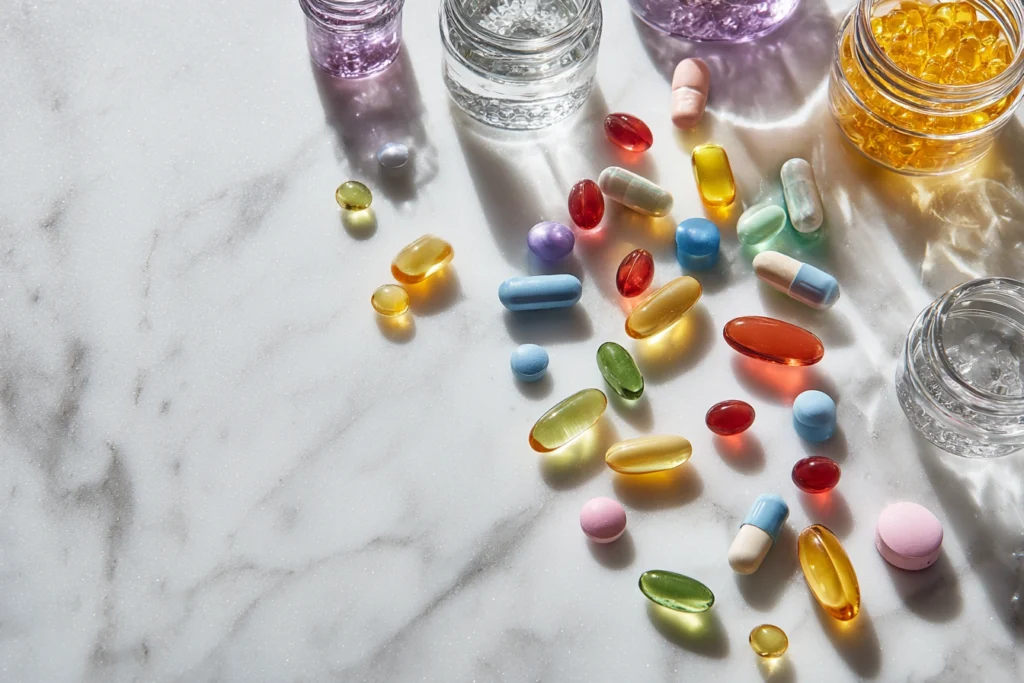
My Professional Experience With Hair Vitamins
As a physician caring for women, I frequently manage cases of hair thinning linked to hormonal changes, stress, or nutritional imbalance. When discussing the Best Vitamins for Hair Growth, I often divide patients into three categories.
Postpartum Hair Loss
Many women experience temporary shedding after childbirth. In these cases, balanced multivitamins containing iron and vitamin D may provide better support than isolated supplements.
Stress-Related Hair Shedding
Patients preparing for exams or dealing with emotional stress often benefit from comprehensive formulas that combine several nutrients considered among the Best Vitamins for Hair Growth.
Patients Without Deficiencies
Some individuals expect dramatic results despite having normal blood tests. In such cases, I explain that even the Best Vitamins for Hair Growth cannot replace healthy nutrition, sleep, and stress management.
The 10 Best Vitamin Brands for Hair Growth in (2026)
Below are examples of widely discussed supplements that patients often ask about when searching for the Best Vitamins for Hair Growth. These are not prescriptions but general information.
Multi-Ingredient Formulas
- Nutrafol Women ,
- Viviscal Maximum Strength
- HUM Nutrition Hair Strong
- MaryRuth’s Hair Growth Liquid Vitamins
These comprehensive products aim to combine several nutrients considered part of the Best Vitamins for Hair Growth, including antioxidants and botanical extracts.
Popular Hair Vitamin Options
- Vegamour GRO Gummies
- Wellbel Hair Supplement
- Divi Hair Vitamins
- Nature’s Bounty Biotin Softgels
Many of these supplements focus heavily on biotin and zinc, which are frequently included in discussions about the Best Vitamins for Hair Growth.
Collagen and Beauty-Focused Supplements
- OLLY Undeniable Beauty Gummies
- Garden of Life mykind Organics Hair Skin and Nails
Collagen-based products are increasingly marketed as part of the Best Vitamins for Hair Growth, although scientific evidence continues to evolve.
Safety Considerations Before Taking Supplements
Even the Best Vitamins for Hair Growth should be used carefully. Excessive intake may cause unwanted effects.
- High-dose biotin can alter laboratory results.
- Iron supplementation should follow confirmed deficiency.
- Combining multiple formulas may lead to excessive vitamin intake.
Patients should always prioritize professional medical advice before starting any regimen labeled as the Best Vitamins for Hair Growth.
Lifestyle Habits That Support Hair Growth
While supplements receive attention, daily habits remain essential. The effectiveness of the Best Vitamins for Hair Growth improves significantly when combined with healthy lifestyle choices.
- Maintain adequate protein intake.
- Avoid extreme dieting.
- Manage stress levels.
- Prioritize sleep and hydration.
Hair health reflects overall wellness, not just supplementation.

Frequently Asked Questions About Hair Growth Vitamins
Which vitamin is best for hair regrowth?
There is no single universal vitamin that guarantees regrowth. Medical research shows that vitamin D, iron, biotin, and zinc may support hair recovery when a deficiency exists. The best approach is to identify nutritional gaps through medical evaluation rather than relying on one supplement alone.
What stimulates hair growth best?
Healthy hair growth is stimulated by a combination of balanced nutrition, adequate protein intake, hormonal stability, and scalp health. Correcting iron deficiency, managing stress, and maintaining good sleep habits often have a greater impact than any single vitamin product.
Do hair growth vitamins really work?
Hair growth vitamins can be helpful when they correct real deficiencies, but they are not miracle solutions. Scientific evidence suggests that supplements mainly improve hair quality in individuals lacking specific nutrients, and visible results usually take several months.
What is the Big 3 for hair loss?
In medical discussions, the “Big 3” commonly refers to treatments rather than vitamins: minoxidil, finasteride, and ketoconazole-based therapies. These target hair loss mechanisms directly, while vitamins mainly support overall follicle health.
Final Thoughts From My Medical Experience
The search for the Best Vitamins for Hair Growth often leads patients toward trending products, but science encourages a more balanced approach. Vitamins support healthy follicles when deficiencies exist, yet they cannot replace comprehensive medical care.
From my clinical perspective, patients achieve the best results when they combine nutritional evaluation, targeted supplementation, and realistic expectations. The true power of the Best Vitamins for Hair Growth lies not in quick fixes but in long-term support for internal health and hormonal balance.
To ensure accuracy and scientific depth, we’ve incorporated perspectives from reputable health publications and expert medical reviews available online.