
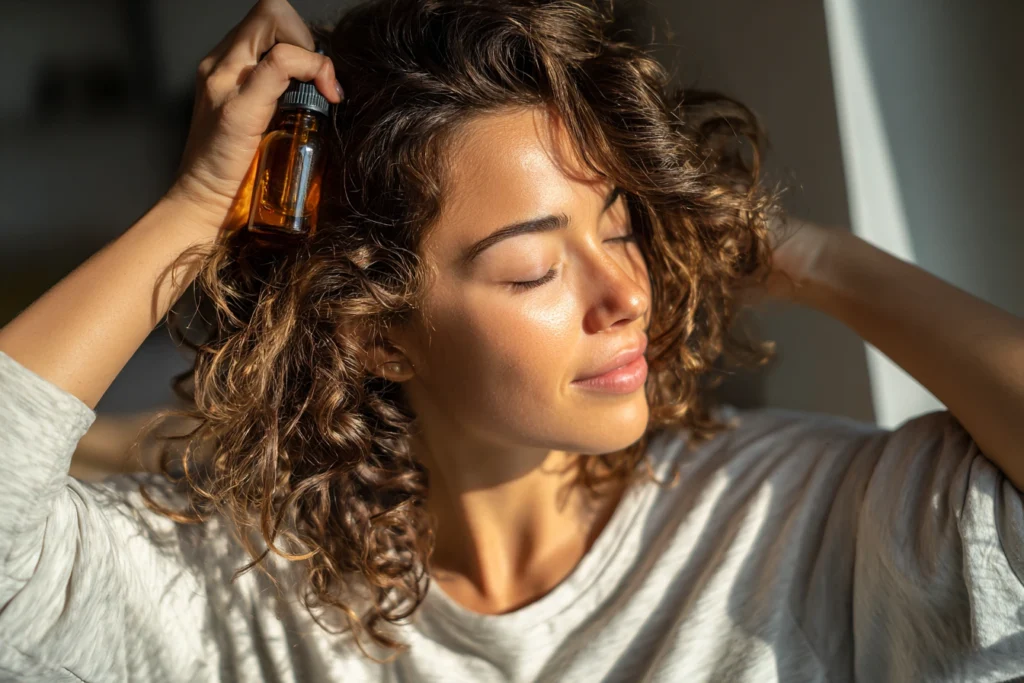
Pumpkin Seed Oil For Hair: Medical Benefits, Scientific Evidence, and My Clinical Perspective
Hair thinning and progressive hair loss are among the most common aesthetic and medical concerns discussed in dermatology today. Many patients seek natural solutions that complement medical care without exposing them to unnecessary risks. One topic that continues to generate interest is pumpkin seed oil for hair, a natural approach that has gained attention because of its potential hormonal and anti-inflammatory effects. As a physician, I have observed increasing curiosity around natural oils used for scalp health, and pumpkin seed oil has become one of the most frequently discussed options. Understanding how pumpkin seed oil hair strategies work requires a scientific perspective that balances research findings with realistic expectations. What Is Pumpkin Seed Oil and Why Is It Relevant for Hair Health? Pumpkin seed oil is extracted from the seeds of the pumpkin plant and is rich in phytosterols, antioxidants, essential fatty acids, zinc, and vitamin E. These nutrients play an important role in maintaining scalp integrity and supporting follicular function. The growing interest in pumpkin seed oil for hair treatments is largely related to the oil’s ability to influence hormone pathways linked to hair thinning. Dermatology research suggests that compounds within pumpkin seed oil may reduce the activity of enzymes responsible for converting testosterone into dihydrotestosterone (DHT), a hormone known to contribute to androgenetic alopecia. In addition to hormonal effects, pumpkin seed oil contains anti-oxidative compounds that may protect hair follicles from environmental stressors. This combination of nutritional and biological activity explains why pumpkin seed oil hair applications are being explored both topically and orally. Scientific Mechanisms Behind Pumpkin Seed Oil For Hair Benefits Several biological mechanisms have been proposed to explain the potential benefits of pumpkin seed oil on hair growth and scalp health. Hormonal Regulation Phytosterols present in pumpkin seed oil may help reduce DHT activity, which is considered a key factor in pattern hair loss. By moderating this hormonal pathway, pumpkin seed oil for hair therapy may support healthier follicle cycles. Anti-Inflammatory Properties Inflammation around hair follicles can disrupt growth phases and contribute to shedding. The antioxidant profile of pumpkin seed oil may help calm scalp irritation and create a more balanced environment for hair growth. Nutritional Support for the Scalp Essential fatty acids found in pumpkin seed oil contribute to hydration and strengthen the lipid barrier of the scalp. Patients using pumpkin seed oil for hair treatments often report improved hair texture and reduced dryness. While research results are promising, dermatology experts emphasize that pumpkin seed oil should be viewed as a complementary strategy rather than a replacement for medical treatment. My Clinical Experience With Pumpkin Seed Oil For Hair Therapy In clinical practice, I have noticed that patients interested in natural therapies often turn to pumpkin seed oil after experiencing mild hair thinning. My experience with pumpkin seed oil for hair approaches has shown that results vary depending on the underlying cause of hair loss. Early Androgenetic Alopecia Patients with early hormonal hair thinning sometimes report a decrease in shedding after several months of consistent use. The improvement is usually gradual and subtle rather than dramatic. Hormonal Transitions Women experiencing postpartum or menopausal changes may benefit from supportive therapies that promote scalp nourishment. In these situations, pumpkin seed oil for hair routines may help maintain hair quality during hormonal fluctuations. Observed Limitations Patients with autoimmune hair disorders or significant medical conditions rarely experience major improvements with pumpkin seed oil alone. Proper diagnosis remains essential before starting any treatment strategy. Overall, my professional observation is that pumpkin seed oil for hair therapy works best when integrated into a broader care plan that includes medical evaluation and balanced nutrition. For a deeper look at choosing the right cleansing routine to support stronger strands, explore our complete guide to the best hair growth shampoo. How to Use Pumpkin Seed Oil for Hair Support There are several ways individuals incorporate pumpkin seed oil into their routine. Topical Application Applying a small amount directly to the scalp allows localized nourishment. Gentle massage may improve circulation and help distribute the oil evenly. Many people who follow a pumpkin seed oil hair routine prefer using it as a pre-wash treatment. Oral Supplementation Capsules are commonly used to support hormonal balance internally. Some clinical studies evaluating oral supplementation suggest potential improvements in hair density over time. Dietary Integration Adding pumpkin seed oil to meals provides essential fatty acids and antioxidants that may support overall wellness. However, dietary use alone is unlikely to produce rapid hair changes. Consistency and patience are key factors in any pumpkin seed oil for hair approach. If you’re interested in the nutritional side of hair health, you may also enjoy our detailed article about collagen for hair growth and its potential benefits. Who May Benefit Most From Pumpkin Seed Oil For Hair Strategies? Based on available research and clinical observations, certain individuals may respond more positively to pumpkin seed oil: Those with advanced hair loss or underlying medical conditions should consult a healthcare professional before relying solely on pumpkin seed oil for hair methods. For readers curious about natural remedies, our step-by-step guide on onion juice for hair growth offers additional insights into traditional scalp care. Safety and Medical Considerations Pumpkin seed oil is generally well tolerated, but it is still important to approach its use responsibly. Some individuals may experience mild scalp sensitivity or digestive discomfort. Patch testing is recommended before topical use, especially for people with sensitive skin. Medical experts advise that pumpkin seed oil for hair treatments should complement, not replace, clinically proven therapies when necessary. Supplements are not regulated like prescription medications, so choosing high-quality products is essential. As a physician, I encourage patients to prioritize safety and avoid unrealistic expectations promoted online. Realistic Timeline for Results Hair growth is a slow biological process, and improvements rarely occur overnight. Most patients who follow a consistent pumpkin seed oil for hair routine notice gradual changes over several months. Typical observations may include: Results depend heavily on genetics, hormonal balance, and overall health. Pumpkin Seed