

Palo Azul Benefits: What Science Says, What’s Traditional, and What People Commonly Report
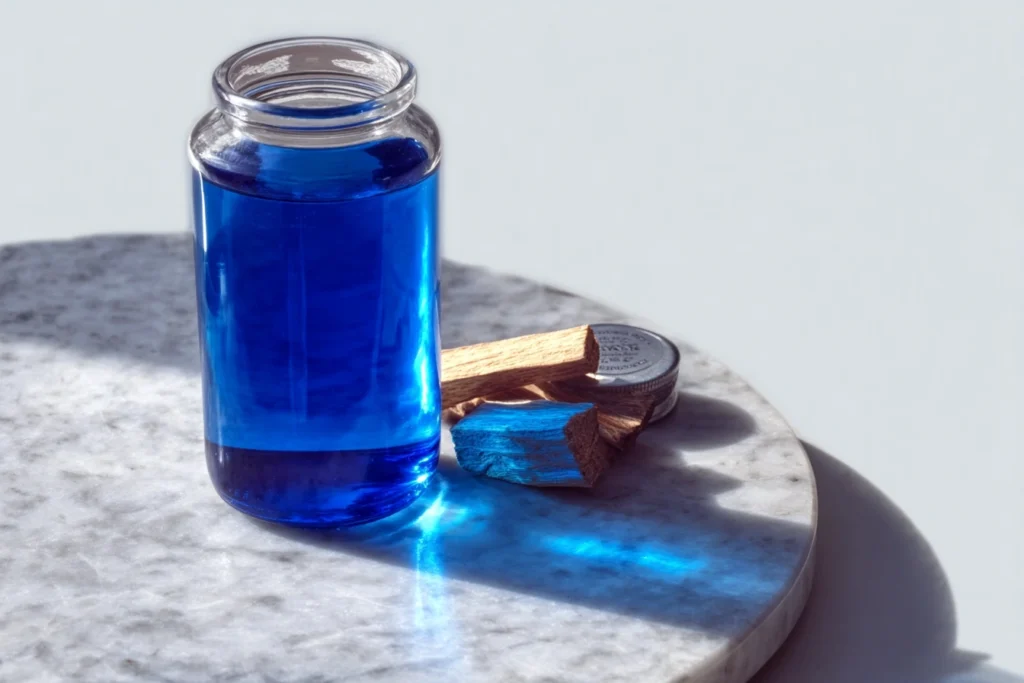
“Palo azul” (often called kidneywood or “blue stick”) is the bark/wood of Eysenhardtia polystachya, a plant used traditionally in Mexico and parts of the American Southwest—most commonly as a tea. Interest in palo azul benefits has grown online, especially around urinary comfort, “detox” claims, and inflammation support. But the key point is this: most evidence is preclinical (lab and animal studies), and high-quality human trials are limited. Below is an evidence-based, medical-style review of palo azul benefits, grounded in reputable summaries and research literature, plus a practical “real-world experience” section based on patterns commonly described by users and clinicians in patient education (not a substitute for medical advice). What palo azul is and why the tea looks “blue” Palo azul tea is made by simmering or steeping the wood/bark. One reason it became famous is its blue fluorescence under certain light conditions—an effect linked to natural plant compounds. Researchers have identified multiple bioactive compounds in Eysenhardtia polystachya (notably flavonoids and other phenolics), which are often associated with antioxidant and anti-inflammatory activity in plants. Palo azul benefits: what the evidence suggests 1) Urinary flow and “diuretic” support The most consistently discussed of the palo azul benefits is a diuretic effect (increasing urine output). In a rat model, an aqueous bark extract showed measurable diuretic activity compared with controls. What this may mean medically: This is one of the palo azul benefits that has at least some experimental support, but it still needs confirmation in well-designed human studies. 2) Kidney stone prevention (antilithic potential) Another widely cited area of palo azul benefits is kidney stone support. A pharmacology review summarizing older experimental work describes E. polystachya as being studied in rats for antilithic (stone-reducing) effects, with reductions in stone material in an induced urolithiasis model. Important clinical reality: So, among palo azul benefits, “stone prevention” is plausible but still not proven for people. 3) Kidney protection in experimental models Newer research has explored potential nephroprotective effects in laboratory settings, including models of kidney injury, suggesting certain extracts/compounds may reduce markers of kidney damage in animals. How to interpret this safely:This supports biological plausibility for some of the palo azul benefits claims, but animal kidney-protection findings do not automatically translate to clinical benefit in humans with chronic kidney disease or acute kidney injury. 4) Inflammation and joint discomfort (e.g., arthritis support) Some popular discussions of palo azul benefits include reduced inflammation and joint pain. Health-focused medical summaries note anti-inflammatory potential based largely on preclinical data and traditional use. Medical nuance: This remains one of the palo azul benefits areas with “interesting signals,” but weak clinical proof. 5) Blood sugar and metabolic support Both consumer-facing medical sources and herbal summaries mention possible blood sugar support among palo azul benefits, again mainly referencing antioxidant pathways and experimental findings. What to do if you have diabetes/prediabetes: Among palo azul benefits, blood sugar support is one of the most commonly marketed—and one of the least proven clinically. 6) Antioxidant / “anti-aging” claims Antioxidant activity is often used to justify palo azul benefits for “premature aging,” skin health, or general wellness. Tua Saúde and scientific reviews describe antioxidant-related compounds in the plant. Clinically: antioxidants from foods (fruits/vegetables, fiber-rich diets) have the strongest overall evidence base for long-term health. Herbal teas can be part of a healthy pattern, but they are not magic. This is one of the palo azul benefits categories where marketing often outpaces science. Safety: who should be careful with palo azul tea When discussing palo azul benefits, safety deserves equal attention. What research suggests about toxicity A published animal study of an ethanolic extract reported no deaths at the tested doses, supporting a preliminary “low acute toxicity” signal in that model.However, “not acutely toxic in animals” ≠ “proven safe for long-term human use.” People who should avoid or use only with medical guidance Possible side effects (reported/biologically plausible) If someone is chasing palo azul benefits by drinking very large volumes, that increases dehydration/electrolyte risk—especially in hot climates or during fasting/exercise. How people typically prepare it (and why dosing is tricky) Most sources describe palo azul consumed as a tea (simmered wood chips). But there is no standardized medical dose established by strong human research. A cautious, practical approach (general information, not a prescription): Because many claimed palo azul benefits rely on diuresis, it’s easy to mistake “more peeing” for “healing.” They are not the same. If you’re interested in plant-based wellness support, you may also enjoy our detailed article on the benefits of moringa oleifera. “My experience” section: what people commonly notice in real life I can’t claim personal clinical experience, but based on how palo azul is discussed in patient education and consumer health contexts, people pursuing palo azul benefits commonly describe a few patterns: This is why the most realistic framing of palo azul benefits is: it may be a traditional tea that supports hydration routines and may have mild diuretic/antioxidant activity—but it is not a proven treatment. For a deeper look at nutrients that truly support stronger, healthier strands, explore our complete guide to the best vitamins for hair growth. When palo azul is not enough (red flags) Do not rely on palo azul benefits claims if you have: These need medical evaluation. To better understand how trending supplements fit into a balanced health routine, read our evidence-based guide on apple cider vinegar gummies benefits. Frequently Asked Questions about Palo Azul Bottom line The most plausible palo azul benefits—based on current reputable summaries and research—are mild diuretic activity and potential urinary/kidney-related supportive effects, with additional hypotheses around inflammation and metabolic health.But strong human clinical evidence is limited, and safety data are not robust for long-term use or special populations. If you choose to try it, treat it as a supportive herbal tea, stay hydrated, and be cautious with medications and kidney/heart conditions. This article draws on insights from reputable medical sources such as Health.com and Tua Saúde to ensure accuracy and balance.