

Prostate cancer is one of the most common cancers affecting men worldwide. Fortunately, major advances in medicine have transformed the way this disease is treated. Today, many men diagnosed with prostate cancer can live long, healthy lives thanks to early detection and personalized treatment plans.
As a physician, I often meet patients who feel overwhelmed after hearing the words “you have prostate cancer.” One of the first questions they ask is, “What treatment do I need?” The answer is not always straightforward because prostate cancer treatment depends on several factors, including the stage of the cancer, how aggressive it is, the patient’s age, overall health, and personal preferences.
The good news is that there are now more treatment options than ever before. Some men may not need immediate treatment at all, while others may benefit from surgery, radiation therapy, hormone therapy, or newer targeted treatments. Understanding these options can help patients make informed decisions with their healthcare team.
Understanding How Prostate Cancer Treatment Is Chosen
There is no single treatment that is best for every patient. Doctors carefully evaluate several factors before recommending a treatment plan:
- The stage of the cancer
- PSA (Prostate-Specific Antigen) levels
- Gleason score or Grade Group
- Whether the cancer has spread
- The patient’s age and life expectancy
- Existing medical conditions
- Personal treatment goals
In many cases, a multidisciplinary team that includes urologists, oncologists, and radiologists works together to determine the most appropriate approach.
Active Surveillance: When Immediate Treatment Is Not Necessary
One of the biggest misconceptions about prostate cancer is that every diagnosis requires immediate treatment. In reality, many prostate cancers grow very slowly.
Active surveillance involves closely monitoring the cancer through:
- Regular PSA blood tests
- MRI scans
- Periodic prostate biopsies
- Clinical examinations
This approach is often recommended for men with low-risk, localized prostate cancer. The goal is to avoid unnecessary treatment and its potential side effects while still allowing doctors to intervene if the cancer begins to progress. Research has shown that many men on active surveillance never require definitive treatment.
Surgery for Prostate Cancer
Surgery remains one of the most effective treatments for localized prostate cancer.
Radical Prostatectomy
A radical prostatectomy involves removing the entire prostate gland and, in some cases, nearby lymph nodes.
This procedure may be performed using:
- Traditional open surgery
- Laparoscopic surgery
- Robotic-assisted surgery
The main goal is to completely remove the cancer before it spreads beyond the prostate.
Benefits of Surgery
- Potentially curative for localized disease
- Accurate pathological assessment
- Long-term cancer control
Possible Side Effects
Like any major procedure, surgery carries risks, including:
- Urinary incontinence
- Erectile dysfunction
- Bleeding
- Infection
Modern surgical techniques have significantly reduced these complications, especially when performed by experienced surgeons.
Radiation Therapy
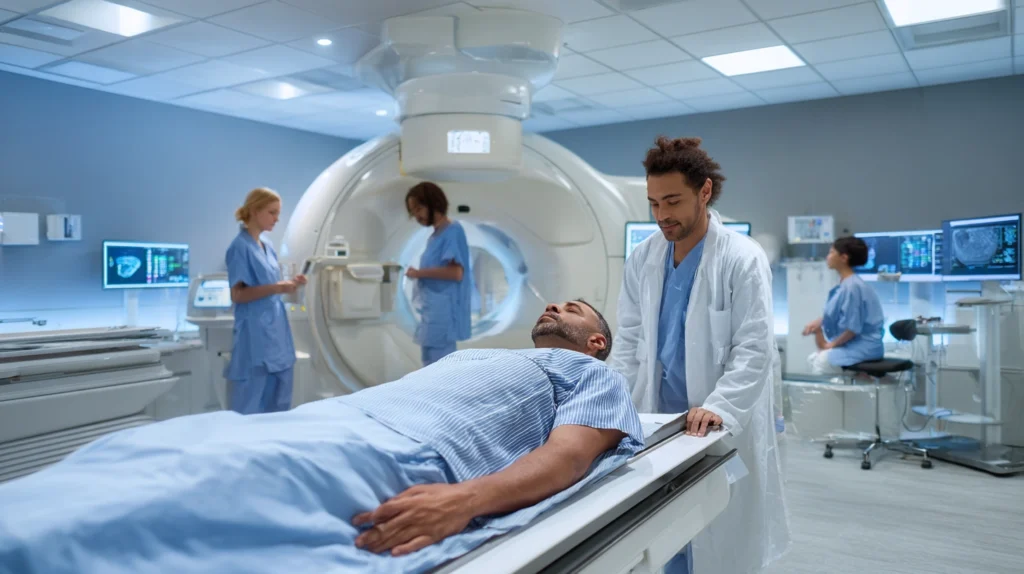
Radiation therapy uses high-energy rays to destroy cancer cells.
It is often recommended for men who:
- Have localized prostate cancer
- Prefer a non-surgical option
- Are not suitable candidates for surgery
External Beam Radiation Therapy (EBRT)
This is the most common form of radiation treatment. Radiation is delivered from outside the body directly to the prostate.
Brachytherapy
Brachytherapy involves placing radioactive seeds inside or near the prostate gland.
Advantages of Radiation Therapy
- No surgical incision
- Effective cancer control
- Suitable for many patients
Possible Side Effects
- Fatigue
- Urinary symptoms
- Bowel irritation
- Sexual dysfunction
Many men achieve excellent long-term outcomes with radiation therapy, particularly when combined with hormone therapy in higher-risk cases.

Hormone Therapy
Prostate cancer cells often depend on testosterone to grow.
Hormone therapy, also known as androgen deprivation therapy (ADT), works by lowering testosterone levels or preventing testosterone from reaching cancer cells.
When Hormone Therapy Is Used
- Locally advanced prostate cancer
- High-risk prostate cancer
- Metastatic disease
- In combination with radiation therapy
Common Side Effects
- Hot flashes
- Reduced libido
- Fatigue
- Weight gain
- Loss of bone density
While hormone therapy alone usually does not cure prostate cancer, it can significantly slow disease progression and improve symptoms.
Chemotherapy
Chemotherapy is generally reserved for advanced or metastatic prostate cancer, especially when the disease no longer responds adequately to hormone therapy.
These medications travel through the bloodstream to attack cancer cells throughout the body.
Benefits
- Can prolong survival
- Helps control symptoms
- Useful in advanced disease
Side Effects
- Fatigue
- Hair loss
- Nausea
- Increased infection risk
Not all patients with prostate cancer require chemotherapy, but it can play a crucial role in advanced stages.
Immunotherapy and Targeted Therapy
Recent advances have introduced newer treatment approaches for selected patients.
Immunotherapy
Immunotherapy helps the body’s immune system recognize and attack cancer cells.
Targeted Therapy
Targeted therapies focus on specific genetic or molecular abnormalities found in certain prostate cancers.
These treatments are often considered for advanced cases or when genetic testing identifies specific mutations.
Treatment for Advanced and Metastatic Prostate Cancer
When prostate cancer spreads beyond the prostate gland, treatment focuses on controlling the disease, relieving symptoms, and improving quality of life.
Options may include:
- Hormone therapy
- Chemotherapy
- Targeted therapy
- Immunotherapy
- Radiation therapy
- Radiopharmaceutical treatments
Thanks to modern therapies, many men with metastatic prostate cancer can maintain a good quality of life for many years
Managing Side Effects During Treatment
Every prostate cancer treatment comes with potential side effects, but many can be effectively managed.
Patients may benefit from:
- Pelvic floor exercises
- Sexual health counseling
- Nutritional support
- Physical activity programs
- Bone health monitoring
- Psychological support
Open communication with healthcare providers is essential to maintaining quality of life throughout treatment.
My Perspective as a Physician
Throughout my medical practice, I have seen how frightening a prostate cancer diagnosis can be. However, I have also witnessed remarkable outcomes when patients receive timely diagnosis and appropriate treatment.
One lesson I frequently share with patients is that prostate cancer is not a single disease. Some cancers grow very slowly and may never cause significant problems, while others require prompt and aggressive treatment. The best results often come from individualized care rather than a one-size-fits-all approach.
I always encourage patients to ask questions, understand their treatment options, and participate actively in decision-making. A well-informed patient is often better prepared to face treatment with confidence and peace of mind.

FAQ
Can you live a long life after prostate cancer?
Yes. Many men live long and healthy lives after prostate cancer, especially when it is detected early and treated appropriately. Survival rates for localized prostate cancer are very high, and some patients live for decades after diagnosis.
What is the most effective treatment for prostate cancer?
The most effective treatment depends on the stage and aggressiveness of the cancer. Common options include active surveillance, surgery (radical prostatectomy), radiation therapy, and hormone therapy. Your healthcare provider can recommend the best approach based on your individual situation.
How long does it take for prostate cancer to spread to the bones?
Prostate cancer often grows slowly, and it can take years for some cases to spread to the bones. However, aggressive forms may spread more quickly. The timeline varies significantly from one patient to another.
What is the life expectancy of someone with prostate cancer?
Life expectancy depends on factors such as the cancer stage, grade, age, and overall health. Many men with localized prostate cancer have an excellent prognosis and may have a life expectancy similar to that of men without the disease. Advanced prostate cancer can shorten life expectancy, but modern treatments continue to improve outcomes.
Final Thoughts
Prostate cancer treatment has evolved dramatically over the past two decades. From active surveillance and robotic surgery to advanced radiation techniques, hormone therapy, immunotherapy, and targeted treatments, men now have access to a wide range of effective options.
The most appropriate treatment depends on the unique characteristics of each patient and their cancer. Early diagnosis, expert medical guidance, and personalized care remain the foundations of successful prostate cancer management.
If you or a loved one has been diagnosed with prostate cancer, discussing all available treatment options with a qualified healthcare professional can help ensure the best possible outcome.
To ensure accuracy and provide readers with the most up-to-date information, this article incorporates insights from trusted medical resources, including the National Cancer Institute and the NHS.