

Ginkgo biloba benefits have attracted growing attention among researchers, healthcare professionals, and wellness enthusiasts worldwide. Known as one of the oldest living tree species on Earth, Ginkgo biloba has been used in traditional medicine for centuries. Today, it remains one of the most popular herbal supplements, especially for people looking to support memory, focus, circulation, and overall brain health.
As a physician, I often notice that many patients are searching for natural ways to improve concentration, mental clarity, and healthy aging. Among the supplements frequently discussed, Ginkgo biloba consistently stands out due to its unique antioxidant properties and its potential effects on blood flow and cognitive function.
In this article, we’ll explore the most important Ginkgo biloba benefits, examine what current research says, discuss potential side effects, and help you understand whether this ancient herbal remedy may be worth considering.
What Is Ginkgo Biloba?
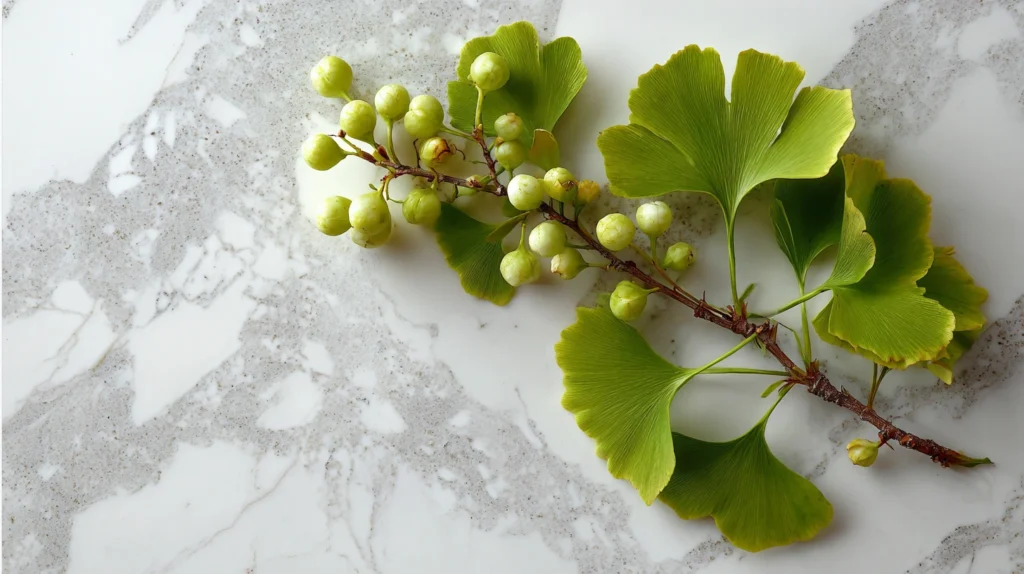
Ginkgo biloba is derived from the leaves of the Ginkgo tree, often called a “living fossil” because it has survived for more than 200 million years. Native to China, the tree has long been used in traditional medicine for various health purposes.
The active compounds found in Ginkgo biloba include:
- Flavonoids
- Terpenoids
- Ginkgolides
- Bilobalide
These compounds are known for their antioxidant and anti-inflammatory properties, which may contribute to many of the reported Ginkgo biloba benefits.
1. May Support Memory and Cognitive Function
One of the most widely discussed Ginkgo biloba benefits is its potential role in supporting brain health and memory.
Researchers believe that Ginkgo biloba may improve blood circulation to the brain and help protect nerve cells from oxidative stress. Some studies suggest that standardized Ginkgo extracts may provide modest benefits for people experiencing age-related cognitive decline or certain forms of dementia.
However, it is important to maintain realistic expectations. Scientific evidence remains mixed, and several large reviews have found little or no significant improvement in memory among healthy adults.
My Professional Perspective
In clinical practice, many people hope that a supplement alone will dramatically improve memory. Unfortunately, no supplement works like a miracle cure. Brain health is influenced by sleep quality, physical activity, nutrition, stress management, and social engagement.
When patients ask me about Ginkgo biloba, I explain that it may serve as a supportive tool, but it should never replace healthy lifestyle habits.
2. Powerful Antioxidant Protection
Another important reason behind the growing popularity of Ginkgo biloba benefits is its antioxidant activity.
Oxidative stress occurs when harmful free radicals damage cells throughout the body. Over time, this process contributes to aging and may increase the risk of various chronic diseases.
Ginkgo biloba contains high levels of flavonoids and terpenoids, compounds that help neutralize free radicals and reduce cellular damage. Researchers believe this antioxidant effect may play a role in protecting brain cells, blood vessels, and other tissues.
3. May Improve Blood Circulation
Healthy circulation is essential for delivering oxygen and nutrients throughout the body.
Some studies suggest that Ginkgo biloba may help improve blood flow by promoting the dilation of blood vessels and reducing blood viscosity. Better circulation may partly explain several reported Ginkgo biloba benefits related to brain function, eye health, and overall vitality.
Improved circulation may be particularly important as people age, since vascular health plays a major role in maintaining cognitive performance.
4. May Help Support Healthy Aging of the Brain
As we grow older, maintaining cognitive function becomes increasingly important.
Several investigations have explored whether Ginkgo biloba could help slow age-related cognitive decline. Some evidence suggests that standardized extracts may provide mild improvements in thinking abilities and daily functioning among individuals with dementia.
At the same time, researchers emphasize that more high-quality studies are still needed. The current evidence does not support using Ginkgo biloba as a guaranteed prevention strategy for dementia or Alzheimer’s disease.
5. May Reduce Inflammation
Chronic inflammation is increasingly recognized as a contributing factor in many health conditions, including cardiovascular disease and neurodegenerative disorders.
Laboratory and clinical studies suggest that Ginkgo biloba may help reduce inflammatory activity through several biological pathways. This anti-inflammatory action may work alongside its antioxidant effects to support overall health.
While inflammation is a natural defense mechanism, long-term excessive inflammation can negatively affect tissues and organs throughout the body.

6. Potential Benefits for Eye Health
The eyes require a steady supply of oxygen-rich blood to function properly.
Some research suggests that Ginkgo biloba may help improve blood flow to the retina and optic nerve. Because of this, scientists have investigated its potential role in supporting eye health and certain age-related vision conditions.
Although findings remain preliminary, this area of research continues to generate interest among specialists studying healthy aging.
7. May Help Reduce Anxiety Symptoms
Interestingly, some studies have explored whether Ginkgo biloba may have positive effects on mood and anxiety.
Researchers believe its influence on neurotransmitters and circulation could potentially contribute to stress reduction and emotional well-being. Some clinical trials have reported improvements in anxiety symptoms, though larger studies are still needed to confirm these effects.
It is important to note that Ginkgo biloba should never replace professional treatment for anxiety disorders or mental health conditions.
8. Possible Support During Stroke Recovery
Emerging research has investigated Ginkgo biloba as a complementary approach during stroke rehabilitation.
Some studies suggest that it may support cognitive recovery and brain function when used alongside standard medical care. However, evidence remains limited, and further research is necessary before strong recommendations can be made.
Anyone recovering from a stroke should always follow the treatment plan provided by their healthcare team.
Are Ginkgo Biloba Benefits Proven?
This is perhaps the most important question.
The answer is nuanced.
Scientific research supports some potential Ginkgo biloba benefits, particularly regarding circulation, antioxidant protection, and certain aspects of cognitive health. However, many studies show mixed or modest results rather than dramatic improvements.
Current evidence suggests:
Stronger Evidence
- Antioxidant effects
- Improved blood flow
- Mild support for certain dementia symptoms
Limited or Mixed Evidence
- Memory enhancement in healthy adults
- Prevention of Alzheimer’s disease
- General cognitive enhancement
Researchers continue to study Ginkgo biloba, and future discoveries may help clarify which individuals are most likely to benefit.
Potential Side Effects and Safety Considerations
Although generally considered safe for many adults when taken appropriately, Ginkgo biloba is not risk-free.
Possible side effects include:
- Headaches
- Dizziness
- Digestive discomfort
- Allergic reactions
- Increased bleeding risk
One of the most important concerns involves interactions with medications, especially blood thinners such as warfarin, aspirin, and certain anticoagulants. Because Ginkgo may affect blood clotting, it is essential to consult a healthcare professional before starting supplementation.
Pregnant women, individuals with bleeding disorders, and people preparing for surgery should seek medical advice before using Ginkgo biloba.
How to Choose a Quality Ginkgo Supplement
Not all supplements are created equally.
When selecting a product, consider:
- Third-party testing
- Standardized extracts
- Transparent ingredient labeling
- Reputable manufacturers
- Appropriate dosage recommendations
Many clinical studies use standardized extracts such as EGb 761, which allows for more consistent research outcomes.
What Happens If You Take Ginkgo Biloba Every Day?
Taking Ginkgo biloba daily may help support circulation, antioxidant protection, and cognitive function in some people. However, benefits are usually gradual and may take several weeks to appear. Daily use can also increase the risk of side effects such as headaches, digestive upset, or bleeding, especially when combined with blood-thinning medications.
Who Should Not Take Ginkgo Biloba?
Ginkgo biloba is generally not recommended for people with bleeding disorders, those taking blood thinners, pregnant women, individuals scheduled for surgery, or anyone with a known allergy to Ginkgo products. Always consult a healthcare professional before starting supplementation.
Is Ginkgo Biloba Good for Men?
Yes, Ginkgo biloba may offer benefits for men by supporting healthy blood circulation, brain function, and antioxidant protection. Some studies have also explored its potential role in supporting sexual health and erectile function, although more research is needed to confirm these effects.
Which Is the Best Time to Take Ginkgo Biloba?
The best time to take Ginkgo biloba is usually in the morning or early afternoon with food. Taking it earlier in the day may help avoid sleep disturbances in sensitive individuals. Follow the dosage instructions provided on the supplement label or by your healthcare provider.
Final Thoughts on Ginkgo Biloba Benefits
The fascination surrounding Ginkgo biloba benefits is understandable. This ancient plant contains powerful antioxidant compounds and has been studied extensively for its potential effects on memory, circulation, and healthy aging.
While research does not support every claim often seen online, evidence suggests that Ginkgo biloba may offer certain benefits, particularly related to blood flow, oxidative stress reduction, and mild cognitive support in some populations.
From my perspective as a physician, I believe the most effective approach is to view Ginkgo biloba as one part of a broader wellness strategy. A nutritious diet, regular exercise, quality sleep, stress management, and routine medical care remain the true foundations of long-term brain and body health.
If you are considering Ginkgo biloba supplementation, discussing it with your healthcare provider is always the safest first step.
By combining scientific evidence with realistic expectations, you can make informed decisions about whether Ginkgo biloba deserves a place in your health routine.
To ensure accuracy and provide the most up-to-date information, this article incorporates findings from respected medical and scientific sources, including Healthline and peer-reviewed research published through the National Institutes of Health (NIH).