
Healthy hair is influenced by many factors, including genetics, hormones, nutrition, and overall health. In recent years, prenatal vitamins have become widely discussed in beauty and wellness communities as a potential solution for stronger and thicker hair. Many people search for the best prenatal vitamins for hair growth believing that these supplements can dramatically improve hair thickness and prevent hair loss.
Although prenatal vitamins were originally designed to support pregnancy, their nutrient composition has led many individuals to consider them among the best prenatal vitamins for hair growth even outside pregnancy. Understanding whether this belief is supported by medical evidence requires looking at how hair grows and how nutrients affect hair follicles.
In this article, we will explore the science behind the best prenatal vitamins for hair growth, examine the key nutrients involved in hair health, and discuss when these supplements may actually help improve hair strength and density.
Understanding Prenatal Vitamins
Prenatal vitamins are specialized multivitamin supplements designed to support the nutritional needs of pregnant women and their developing babies. They contain higher amounts of certain nutrients compared with regular multivitamins, particularly iron, folate, iodine, and vitamin D.
These nutrients are essential for fetal development, maternal health, and increased blood volume during pregnancy. Because many of these vitamins are also involved in hair follicle function, prenatal supplements are often considered candidates for the best prenatal vitamins for hair growth.
Typical prenatal vitamins include:
- Iron
- Folate or folic acid
- Vitamin D
- Vitamin C
- Zinc
- Iodine
- B-complex vitamins
- Small amounts of biotin
This nutrient combination explains why prenatal vitamins are sometimes promoted as the best prenatal vitamins for hair growth, even though they were not originally developed for cosmetic purposes.

Do Prenatal Vitamins Really Promote Hair Growth?
Many people believe that taking prenatal vitamins will automatically make hair grow faster and thicker. However, medical research shows that prenatal vitamins do not directly stimulate hair growth in individuals who already have balanced nutrition.
Instead, the nutrients contained in the best prenatal vitamins for hair growth may support hair health indirectly by correcting nutritional deficiencies that can cause hair thinning.
Hair follicles are among the most metabolically active structures in the human body. They require continuous delivery of oxygen, vitamins, minerals, and proteins to function properly. When the body lacks essential nutrients, hair follicles may enter the resting phase of the hair cycle prematurely, leading to increased shedding.
For this reason, supplements that correct deficiencies can sometimes be perceived as the best prenatal vitamins for hair growth, even though their primary role is restoring nutritional balance.
Another factor often confused with vitamin effects is pregnancy hormones. Many women notice thicker hair during pregnancy because elevated estrogen levels prolong the hair growth phase. This hormonal effect is frequently mistaken for the effect of prenatal vitamins.
Key Nutrients in the Best Prenatal Vitamins for Hair Growth
Several nutrients found in prenatal supplements contribute to healthy hair follicle function. Understanding these nutrients helps explain why some formulas are considered the best prenatal vitamins for hair growth.

Iron
Iron deficiency is one of the most common causes of hair loss in women. Low iron levels reduce oxygen delivery to hair follicles and weaken the hair growth cycle.
Because prenatal vitamins typically contain higher iron levels than regular multivitamins, they are often considered among the best prenatal vitamins for hair growth for individuals with low iron levels.
Folate (Vitamin B9)
Folate is essential for DNA synthesis and cell division. Hair follicles are among the fastest dividing cells in the body, meaning they require constant cellular renewal.
Adequate folate intake supports healthy follicle activity, which is why many experts consider formulas rich in folate among the best prenatal vitamins for hair growth.
Vitamin D
Vitamin D plays a role in regulating hair follicle cycling and immune function. Low vitamin D levels have been associated with certain types of hair loss.
Prenatal supplements containing vitamin D may therefore contribute to overall scalp health, making them candidates for the best prenatal vitamins for hair growth when deficiencies are present.
Biotin
Biotin is widely associated with hair growth because it supports keratin production, the protein that forms hair strands.
Although biotin deficiency is rare, prenatal vitamins that include moderate amounts of biotin are often marketed as the best prenatal vitamins for hair growth.
Zinc
Zinc supports tissue repair, immune regulation, and cell growth. Hair follicles rely on these processes for normal function.
Because zinc deficiency can lead to hair thinning, prenatal vitamins containing zinc may be considered among the best prenatal vitamins for hair growth in individuals with low levels.
Vitamin C
Vitamin C plays a role in collagen production and improves iron absorption. Collagen contributes to hair strength, while improved iron absorption supports follicle oxygenation.
For this reason, vitamin C is another nutrient often included in the best prenatal vitamins for hair growth.
What Makes the Best Prenatal Vitamins for Hair Growth?
When evaluating the best prenatal vitamins for hair growth, several factors should be considered.
High-quality prenatal supplements typically contain a balanced combination of nutrients rather than excessive doses of a single vitamin. The most effective formulas usually include:
- Adequate iron
- Folate or methylfolate
- Vitamin D
- Zinc
- Vitamin C
- B-complex vitamins
- Moderate biotin levels
A well-balanced formula with these nutrients is generally considered among the best prenatal vitamins for hair growth, particularly for individuals with nutritional deficiencies.
However, prenatal vitamins should not be viewed as miracle hair treatments. Their effectiveness depends largely on the individual’s nutritional status and overall health.
My Personal Experience with Prenatal Vitamins and Hair Health
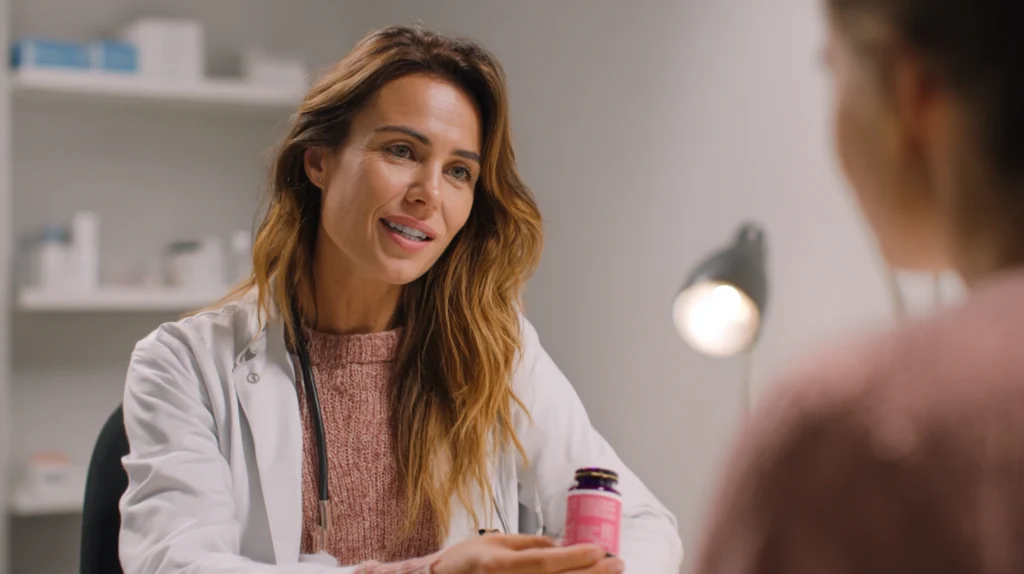
As a physician, I frequently encounter patients asking about the best prenatal vitamins for hair growth. Many women begin taking prenatal supplements after hearing recommendations from friends or social media.
At one point in my career, I experienced increased hair shedding during a stressful period of work and irregular nutrition. Laboratory testing revealed that my ferritin level, which reflects iron stores in the body, was lower than optimal.
Because iron deficiency is a well-known cause of hair loss, I decided to try a prenatal supplement containing iron, folate, vitamin D, and B-complex vitamins.
After about three months of consistent supplementation, I noticed several improvements:
- Hair shedding decreased significantly
- Hair strands felt stronger
- Small new hairs appeared along the hairline
From a medical perspective, however, I understood that the improvement was most likely due to correcting the iron deficiency rather than the supplement itself being one of the best prenatal vitamins for hair growth.
This experience reinforced an important clinical principle: identifying and treating nutritional deficiencies is essential when addressing hair loss.
When Prenatal Vitamins May Help Hair Growth
Prenatal supplements may support hair health in certain situations.
Nutritional deficiencies
Hair thinning is frequently associated with low levels of iron, vitamin D, zinc, or folate. In these cases, supplements that restore nutrient balance may act as the best prenatal vitamins for hair growth.
Telogen effluvium
Stress, illness, or nutritional deficiencies can trigger excessive hair shedding. Nutritional support may help normalize the hair growth cycle.
Postpartum hair loss
Many women experience temporary hair shedding after pregnancy due to hormonal changes. Maintaining adequate nutrition during this period supports hair recovery.
Risks of Taking Prenatal Vitamins Unnecessarily
Although prenatal supplements are generally safe, they should not be taken unnecessarily.
Some nutrients found in the best prenatal vitamins for hair growth are present in relatively high doses. Taking them without medical supervision may lead to excessive intake.
For example, excessive vitamin A or selenium can contribute to hair loss rather than improve it. High doses of biotin may also interfere with certain laboratory tests.
For these reasons, prenatal vitamins should ideally be used under medical guidance.
Supporting Hair Growth Naturally
Supplements alone cannot guarantee healthy hair. Lifestyle factors play an essential role.
Important strategies include:
- Maintaining a balanced diet rich in protein and minerals
- Managing stress effectively
- Avoiding harsh chemical hair treatments
- Addressing underlying medical conditions
Combining these strategies with appropriate nutrition may be more effective than relying solely on the best prenatal vitamins for hair growth.
FAQ
Which prenatals are the best for hair growth?
The best prenatal vitamins for hair growth are those that contain nutrients essential for hair follicle health, such as iron, folate (vitamin B9), vitamin D, zinc, and B-complex vitamins including biotin. These nutrients support cell division, oxygen delivery to hair follicles, and keratin production. However, medical research suggests that prenatal vitamins mainly improve hair growth when they correct nutritional deficiencies rather than directly stimulating hair growth in individuals with adequate nutrition.
Can I use prenatals for hair growth?
Prenatal vitamins can sometimes help improve hair health if hair thinning is related to deficiencies in nutrients such as iron, vitamin D, or folate. However, they are formulated primarily for pregnancy and are not specifically designed as hair-growth supplements. Medical experts generally recommend taking prenatal vitamins only when necessary and under medical guidance, since excessive intake of certain nutrients may lead to unwanted side effects.
Final Thoughts
Prenatal vitamins are essential for supporting pregnancy, but their role in hair health is often misunderstood. While they contain nutrients beneficial for hair follicles, they do not directly stimulate hair growth in people who already have adequate nutrition.
Instead, the best prenatal vitamins for hair growth are those that help correct nutritional deficiencies and restore the body’s internal balance. When used appropriately and combined with a healthy lifestyle, these supplements can support stronger, healthier hair.
Ultimately, healthy hair growth reflects overall health. Identifying underlying causes of hair thinning and maintaining proper nutrition remain the most effective strategies for long-term hair health.
This article draws on insights from reputable health resources