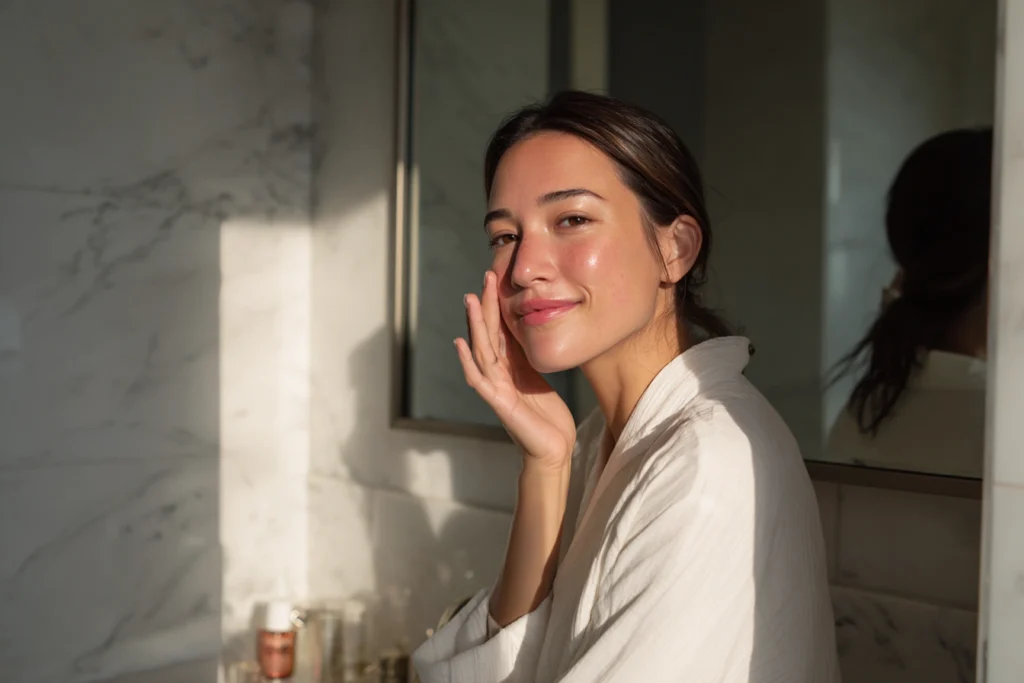
Acne vulgaris is one of the most common dermatological conditions worldwide, affecting adolescents and adults across all skin types. Although multiple treatments exist, one ingredient remains consistently recommended in dermatology: salicylic acid for acne. Known for its pore-penetrating and exfoliating properties, it has become a cornerstone in topical acne therapy.
In this article, we will explore the mechanism of action, clinical evidence, safety considerations, and ideal usage strategies of salicylic acid for acne, along with insights from my professional and personal experience using it in real-world settings.
Understanding Acne Pathophysiology
Acne develops through four main mechanisms:
- Increased sebum production
- Abnormal keratinocyte shedding
- Follicular obstruction
- Inflammation triggered by Cutibacterium acnes
The earliest lesion in acne is the microcomedone — a clogged follicle filled with oil and dead cells. This is precisely where salicylic acid for acne demonstrates its strongest therapeutic effect.
What Is Salicylic Acid?
Salicylic acid is a beta-hydroxy acid (BHA) derived from salicin. Unlike alpha-hydroxy acids, it is lipid-soluble, meaning it dissolves in oil. This property allows it to penetrate into sebaceous follicles rather than acting only on the skin surface.
Because acne forms within oil-rich pores, the oil-soluble nature of salicylic acid for acne makes it particularly effective for comedonal lesions such as blackheads and whiteheads.

Mechanism of Action
1. Comedolytic Activity
The primary benefit of salicylic acid for acne is its comedolytic effect. It loosens intercellular connections between keratinocytes inside the follicle, helping dissolve compacted debris. By reducing microcomedone formation, it prevents new acne lesions from developing.
2. Keratolytic and Exfoliating Effect
Salicylic acid promotes controlled exfoliation. It accelerates epidermal turnover and prevents dead skin accumulation. When used regularly, salicylic acid for acne smooths skin texture and reduces pore congestion.
3. Anti-Inflammatory Properties
Salicylic acid shares structural similarities with anti-inflammatory compounds. While milder than systemic agents, it helps reduce redness and mild swelling in inflammatory lesions. This supportive role enhances the overall efficacy of salicylic acid for acne in mild to moderate cases.
4. Sebum Modulation
Although not primarily a sebum suppressant, studies suggest salicylic acid may modestly reduce lipid activity in sebaceous glands. This contributes to improved oil control over time.
Clinical Evidence
Numerous dermatologic trials confirm that salicylic acid for acne reduces both inflammatory and non-inflammatory lesion counts. In controlled studies using 1–2% formulations:
- Comedone numbers significantly decreased
- Skin texture improved
- Tolerability was high
- Irritation was generally mild and transient
Clinical data show that salicylic acid for acne performs particularly well in patients with predominantly comedonal acne. In moderate inflammatory acne, it is often combined with retinoids or benzoyl peroxide for enhanced results.
Available Forms and Concentrations
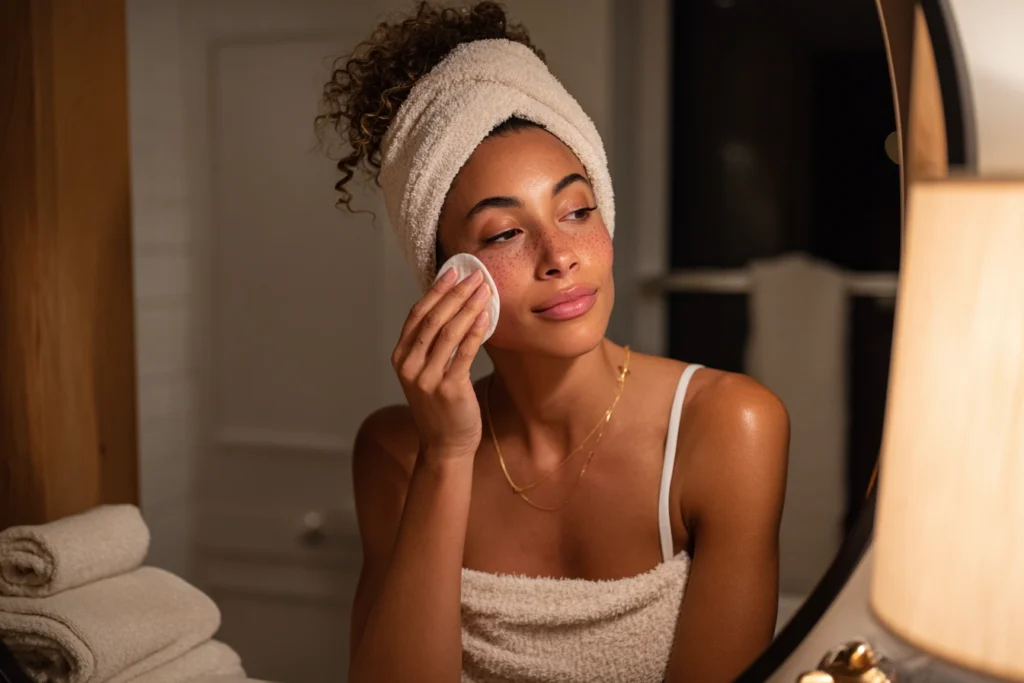
Salicylic acid for acne is widely available in:
- Cleansers (0.5–2%)
- Leave-on gels
- Lotions
- Toners
- Pads
- Spot treatments
- Professional chemical peels (higher concentrations)
For daily home use, 1–2% is typically sufficient. Higher concentrations should be administered under medical supervision.
My Personal and Clinical Experience
From a professional standpoint, I frequently recommend salicylic acid for acne as a first-line treatment for oily and acne-prone skin. In adolescents presenting with blackhead-dominant acne, the response is often noticeable within 4 to 6 weeks.
Personally, when I incorporated salicylic acid for acne into my routine, I began with a 2% cleanser once daily. The initial week involved mild dryness, which resolved after adding a hydrating moisturizer. Over the following month, pore congestion visibly decreased and overall skin clarity improved.
In clinical practice, I observe that patients who use salicylic acid for acne consistently — but gently — achieve better outcomes than those who apply it aggressively. Overuse often leads to irritation, which paradoxically worsens barrier dysfunction.
One important observation is that adherence determines success. When patients understand how salicylic acid for acne works and apply it correctly, long-term improvement becomes more predictable.
Ideal Candidates
The individuals who benefit most from salicylic acid for acne include:
- Teenagers with oily skin
- Adults with persistent blackheads
- Patients intolerant to stronger topical retinoids
- Individuals seeking maintenance therapy
It is particularly effective for non-inflammatory acne but also contributes to mild inflammatory lesion reduction.
Best Practices for Use
Start Slowly
Introduce the product once daily. Gradual adaptation minimizes irritation.
Support the Skin Barrier
Pairing salicylic acid for acne with a non-comedogenic moisturizer reduces dryness and peeling.
Avoid Over-Exfoliation
Combining multiple exfoliating acids may disrupt barrier integrity. If using retinoids, alternate application times.
Apply Sunscreen
Exfoliation increases photosensitivity. Daily sun protection is essential.
Allow Adequate Time
Visible results from salicylic acid for acne generally require at least four weeks. Consistency outweighs rapid escalation.
Side Effects and Safety
Most side effects of salicylic acid for acne are mild and dose-dependent:
- Dryness
- Peeling
- Mild redness
- Temporary stinging
Severe reactions are uncommon but may occur in sensitive skin types. Individuals with eczema or compromised barriers should proceed cautiously.
Low-concentration topical forms are generally considered safe when used appropriately, though medical advice is recommended during pregnancy.
Comparison With Other Treatments
When comparing salicylic acid for acne to other topical options:
- Benzoyl peroxide primarily targets bacteria.
- Retinoids regulate cellular turnover more profoundly.
- Azelaic acid provides both anti-inflammatory and pigment-modulating effects.
For mild acne, salicylic acid for acne alone may be sufficient. In moderate cases, combination therapy enhances efficacy.
🧴 Recommended Brands with Salicylic Acid Products
- CeraVe
- Known for gentle, barrier-supporting formulas with ceramides.
- Good option for sensitive or oily skin with acne.
- Paula’s Choice
- The Skin Perfecting 2% BHA Liquid is a widely-recommended salicylic acid product.
- Well-studied and effective for unclogging pores and smoothing texture.
- The Ordinary
- Offers affordable and straightforward salicylic acid 2% solutions.
- Best for people who want simple active treatment without added extras.
- La Roche-Posay
- A pharmacy brand with gentle acne-focused lines (like Effaclar).
- Often recommended by dermatologists for acne-prone skin.
- Neutrogena
- A popular drugstore option with salicylic acid washes and spot treatments.
- Great entry-level choice that many people tolerate well.
- COSRX
- A K-beauty brand with salicylic acid toners and cleansing options.
- Known for being effective without overly drying the skin.
- Murad
- A clinical brand with targeted acne products containing salicylic acid.
- Often found in dermatologist offices and premium skincare lines.
Long-Term Maintenance
One of the strengths of salicylic acid for acne is its suitability for maintenance therapy. After initial improvement, lower-frequency application can prevent recurrence of clogged pores.
In my practice, patients who continue gentle use of salicylic acid for acne after lesion clearance experience fewer relapses compared to those who discontinue abruptly.
Limitations
While effective, salicylic acid for acne is not adequate for:
- Severe nodulocystic acne
- Deep inflammatory lesions
- Hormonal acne requiring systemic therapy
In such cases, dermatologic evaluation and possibly oral medication are necessary.
FAQ
Can I use salicylic acid every day on acne?
Yes, low-concentration salicylic acid (0.5–2%) can generally be used once daily for acne. Many people tolerate daily use well, especially in cleanser form. However, individuals with sensitive or dry skin may need to start every other day to minimize irritation. If redness or peeling occurs, reducing frequency is recommended.
How long does it take salicylic acid to clear acne?
Most clinical observations show visible improvement within 2 to 4 weeks, with more significant results after 6 to 8 weeks of consistent use. Salicylic acid works gradually by preventing clogged pores, so patience and regular application are essential for optimal results.
What are the side effects of salicylic acid?
Common side effects include mild dryness, peeling, redness, and slight stinging at the application site. These effects are usually temporary and dose-dependent. Overuse or high concentrations may cause irritation or disruption of the skin barrier. Severe allergic reactions are rare.
Is 2% salicylic acid strong?
A 2% concentration is considered the standard maximum strength for over-the-counter acne products and is effective for most mild to moderate acne cases. It is not considered excessively strong, but it can cause dryness in sensitive skin. Higher concentrations are typically reserved for professional chemical peels.
Final Thoughts
Based on current dermatologic evidence and my clinical observations, salicylic acid for acne remains one of the most practical and reliable topical treatments available. Its oil-soluble structure allows it to penetrate pores effectively, its keratolytic properties prevent comedone formation, and its anti-inflammatory action supports lesion resolution.
When used appropriately, salicylic acid for acne offers measurable improvements in skin clarity, texture, and oil balance. It is not a miracle cure, but it is a scientifically validated tool that plays a central role in modern acne management.
Consistency, moderation, and barrier support are the keys to maximizing its benefits.
This article draws upon insights from reputable medical sources to ensure accuracy and evidence-based guidance.