Healthy, radiant skin is not just a cosmetic desire — it is a reflection of internal balance, proper skincare habits, and scientific understanding. Many people continuously search for how to have clear skin, but they are often misled by trends, aggressive marketing, and unrealistic expectations. As a medical professional and someone who has personally navigated skin challenges, I have learned that understanding how to have clear skin requires patience, consistency, and respect for skin physiology.
This article combines dermatological science with my personal experience to explain what truly works.
What Does Clear Skin Mean Medically?
Before discussing strategies, we must define what clear skin represents. Medically, clear skin means:
- Minimal inflammatory lesions
- Balanced oil production
- Even tone without significant hyperpigmentation
- Smooth texture
- Intact protective barrier
Clear skin does not mean perfection. Pores are normal. Occasional breakouts are physiological. Understanding this helps prevent frustration when learning how to have clear skin.
Step 1: Gentle Cleansing Twice Daily
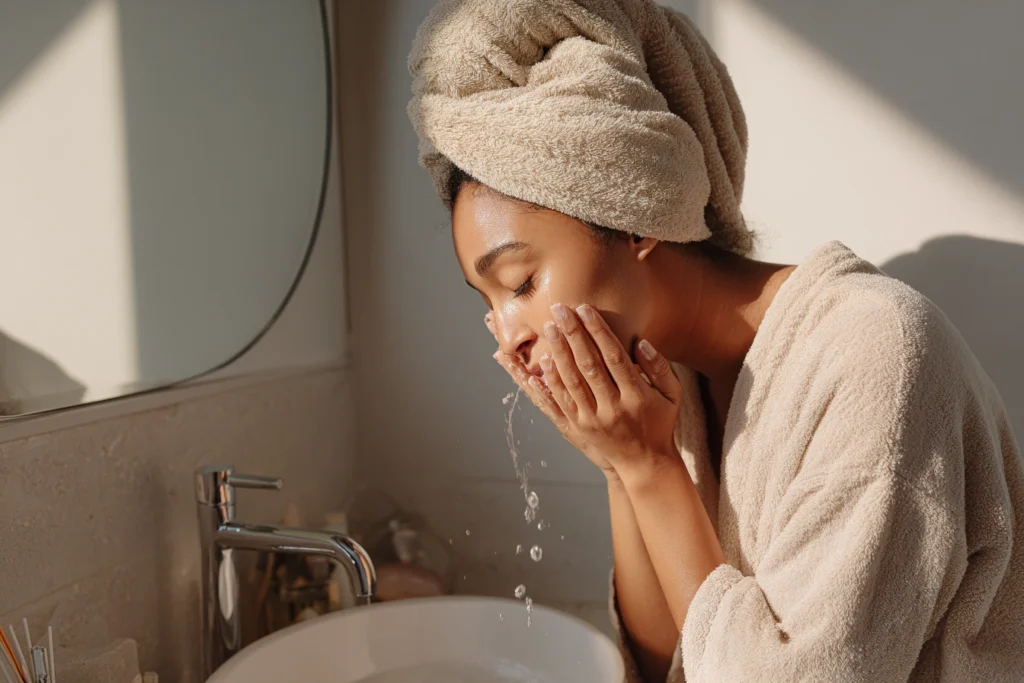
The foundation of how to have clear skin always begins with proper cleansing. Throughout the day, the skin accumulates sebum, environmental pollutants, bacteria, and sweat. Without removal, these elements clog pores and trigger inflammation.
Dermatological principles recommend:
- Washing twice daily
- Using lukewarm water
- Avoiding harsh scrubbing
- Selecting fragrance-free cleansers
When I simplified my cleansing routine and eliminated aggressive products, my skin barrier improved significantly. I realized that mastering how to have clear skin begins with protecting, not stripping, the skin.
Step 2: Protect the Skin Barrier
The skin barrier is essential in understanding how to have clear skin. A damaged barrier leads to redness, sensitivity, dehydration, and breakouts.
To protect it:
- Use gentle cleansers
- Avoid over-exfoliation
- Apply ceramide-based moisturizers
- Limit excessive active ingredients
In my experience, once I focused on barrier repair rather than excessive treatment, my skin became calmer within weeks.

Step 3: Moisturizing Is Not Optional
A common mistake when learning how to have clear skin is skipping moisturizer, especially for oily skin. However, dehydration can trigger increased oil production.
Moisturizers help:
- Maintain hydration
- Reduce irritation
- Improve tolerance to acne treatments
- Support healing
Adding a lightweight moisturizer reduced my skin’s reactivity. I learned that hydration is central to how to have clear skin, even when breakouts are present.
Step 4: Use Evidence-Based Active Ingredients
Scientific ingredients play a role in understanding how to have clear skin, especially when acne is involved.
Salicylic Acid
Penetrates pores and dissolves debris.
Benzoyl Peroxide
Reduces acne-causing bacteria and inflammation.
Retinoids
Increase cell turnover and prevent clogged pores.
I introduced these gradually. Skin improvement required 6–12 weeks. Patience is crucial when practicing how to have clear skin because rapid changes often cause irritation.
Step 5: Avoid Touching and Picking
Another overlooked aspect of how to have clear skin is behavioral. Hands carry bacteria and oils. Picking at lesions worsens inflammation and increases scarring risk.
Once I stopped touching my face unnecessarily, breakouts healed faster and left fewer marks. Sometimes learning how to have clear skin involves self-discipline more than products.
Step 6: Moderate Exfoliation
Exfoliation removes dead cells and improves brightness, but excessive exfoliation damages the barrier.
Dermatologists recommend:
- Chemical exfoliation 1–2 times weekly
- Avoid combining strong acids
- Monitoring irritation
When I reduced exfoliation frequency, redness disappeared. This reinforced that balance is fundamental in how to have clear skin.
Step 7: Nutrition and Internal Health
Clear skin reflects internal health. Research suggests that high-glycemic foods may worsen acne in some individuals.
To support skin health:
- Eat antioxidant-rich fruits and vegetables
- Include omega-3 fatty acids
- Maintain hydration
- Limit excessive refined sugar
During periods of balanced nutrition, my breakouts decreased. I realized that understanding how to have clear skin requires looking beyond skincare bottles.

Step 8: Sleep and Stress Regulation
Stress increases cortisol, which can stimulate oil glands and inflammation. Poor sleep impairs skin repair.
Recommendations include:
- 7–9 hours of sleep
- Regular physical activity
- Stress-reduction practices
- Consistent sleep schedule
When I improved sleep hygiene, my skin tone became more even. Emotional balance is deeply connected to how to have clear skin.
Step 9: Daily Sun Protection
Sun exposure worsens pigmentation and delays healing of acne marks. Daily sunscreen with at least SPF 30 is recommended.
After incorporating sunscreen consistently, my hyperpigmentation faded more quickly. Sun protection became a non-negotiable step in how to have clear skin.
Step 10: Professional Treatments When Needed
For persistent cases, dermatological treatments may include:
- Chemical peels
- Laser therapy
- Prescription retinoids
- Hormonal evaluation
- Oral medications
In moderate to severe acne, medical supervision accelerates progress. Sometimes professional guidance is necessary when exploring how to have clear skin.
My Personal Experience
As someone who values medical evidence, I initially believed stronger treatments meant faster results. I over-cleansed, over-exfoliated, and layered too many active ingredients. My skin became irritated and unpredictable.
The breakthrough came when I simplified everything:
- Gentle cleanser
- Barrier-supporting moisturizer
- Targeted treatment
- Daily sunscreen
Within three months, my complexion stabilized. Breakouts reduced. Texture improved. Hyperpigmentation faded gradually.
The most powerful lesson I learned about how to have clear skin is that consistency beats intensity. Skin regeneration takes time. Sustainable routines create lasting results.
Brand Recommendations for Clear Skin In 2026
To help answer how to have clear skin with practical products, here are suggested brands that are well-reviewed, dermatologist-friendly, and suitable for various skin types (no sponsorship — just evidence-informed choices):
Cleansers
- CeraVe Hydrating Cleanser — gentle, non-comedogenic, great for sensitive or dry skin
- La Roche-Posay Toleriane Sensitive Cleanser — minimal formula for reactive skin
Acne-Targeted Products
- Paula’s Choice Skin Perfecting 2% BHA Liquid Exfoliant — salicylic acid for pore unclogging
- Differin Adapalene Gel — retinoid for acne-prone skin
Moisturizers
- Neutrogena Hydro Boost Gel Cream — lightweight, hydrating option
- CeraVe PM Facial Moisturizing Lotion — barrier support with ceramides
Sun Protection
- EltaMD UV Clear SPF 46 — non-comedogenic SPF recommended for acne-prone skin
- La Roche-Posay Anthelios Melt-in Milk SPF 60 — broad spectrum daily sunscreen
These brands are widely recommended by dermatologists and suited for different needs — from hydration to acne prevention.
FAQ
How can I get clear skin naturally?
Getting clear skin naturally involves supporting your skin barrier and reducing inflammation. Dermatologists recommend gentle cleansing twice daily, using non-comedogenic products, moisturizing regularly, protecting your skin from the sun, staying hydrated, eating a balanced diet rich in antioxidants, managing stress, and sleeping 7–9 hours per night. Avoid picking at pimples and limit high-sugar foods if you are acne-prone. Natural improvement takes consistency rather than quick fixes.
How can I clear my skin in 7 days?
It is generally not medically realistic to completely clear acne in 7 days, especially if it is moderate or severe. However, within one week you may reduce inflammation by cleansing gently, using salicylic acid or benzoyl peroxide appropriately, moisturizing to protect the skin barrier, and applying sunscreen daily. Visible improvement is possible, but full skin renewal typically takes several weeks.
What is the 4-2-4 rule in skincare?
The 4-2-4 rule is a cleansing method that involves massaging cleansing oil for 4 minutes, applying a water-based cleanser for 2 minutes, and rinsing for 4 minutes. While it may help remove makeup and debris thoroughly, dermatologists caution that prolonged cleansing can irritate sensitive or acne-prone skin. For many people, shorter, gentle cleansing is sufficient and safer.
How to 100% clear acne?
There is no guaranteed method to 100% permanently clear acne because acne is influenced by hormones, genetics, oil production, and inflammation. However, acne can often be effectively controlled with consistent skincare, topical treatments like retinoids or benzoyl peroxide, and medical therapies when needed. The goal is long-term management and prevention rather than a permanent “cure.”
Final Takeaway: How to Have Clear Skin
If I had to summarize how to have clear skin in a medical and realistic way, I would say:
- Cleanse gently twice daily.
- Use non-comedogenic products.
- Moisturize consistently.
- Apply targeted treatments gradually.
- Avoid picking or touching your face.
- Eat a balanced diet.
- Sleep well and manage stress.
- Wear sunscreen daily.
- Be patient and consistent.
- Seek professional advice if needed.
Clear skin is not about trends or viral hacks. It is about respecting your skin’s biology, maintaining balance, and supporting it from both outside and inside.
True clear skin is healthy skin — and healthy skin is achievable with knowledge, discipline, and time.