
Tattoos are widely considered artistic expressions, yet from a medical perspective they represent a controlled injury to the skin. When ink is deposited into the dermis through repeated needle punctures, the body immediately begins a complex wound-healing process involving inflammation, immune activation, and tissue regeneration. Because of this biological response, many patients ask the same question: how long does a tattoo take to heal?
As a physician observing different skin reactions and healing patterns, I have noticed that expectations often differ from reality. Many individuals believe healing is complete once redness disappears, but deeper tissue repair continues long after the tattoo looks normal. Understanding how long does a tattoo take to heal requires knowledge of skin physiology, proper aftercare, and individual health factors.
This article explains the scientific healing timeline, the medical stages of recovery, and practical clinical advice to support healthy tattoo healing.
Understanding Tattoo Healing as a Biological Process
Before discussing how long does a tattoo take to heal, it is important to understand what happens inside the skin during tattooing. The needle penetrates the epidermis and deposits pigment into the dermis, triggering an inflammatory response similar to any minor injury.
The immune system sends white blood cells to the area to protect against infection and stabilize pigment particles. During this phase, redness, mild swelling, and warmth are normal signs that healing has begun. Many people underestimate how complex this process is, which is why questions about how long does a tattoo take to heal are so common in medical consultations.
Tattoo healing follows the classic wound-healing phases: inflammation, proliferation, and remodeling. Each stage contributes to restoring the skin barrier and maintaining pigment integrity.
Average Healing Timeline: What to Expect
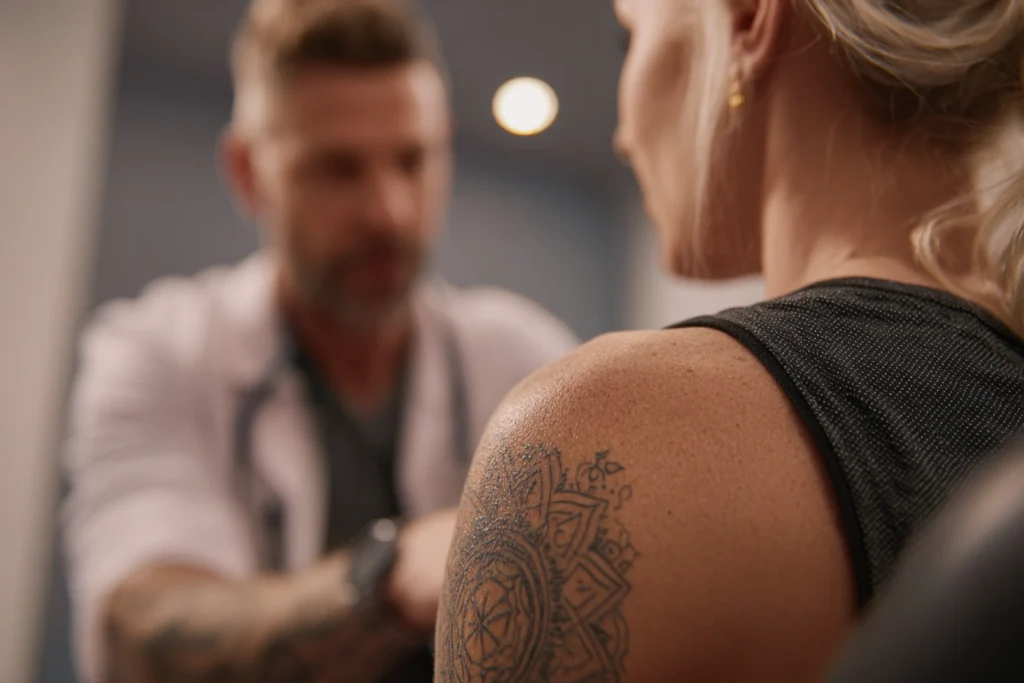
When patients ask me how long does a tattoo take to heal, I explain that healing occurs on two levels: surface healing and deep tissue recovery.
The outer layer of skin typically heals within two to three weeks, while deeper dermal healing may take several months. Although the tattoo may appear smooth after a few weeks, microscopic repair continues beneath the surface. This difference between visible and biological healing is key to understanding how long does a tattoo take to heal accurately.
Days 1–6: The Inflammatory Phase
During the first week, the tattoo behaves like an open wound. Blood vessels dilate, bringing immune cells to repair tissue and prevent infection. Redness, tenderness, and slight fluid discharge are common during this stage.
Many patients worry when they see these symptoms, but they are usually normal responses to skin trauma. This early phase highlights why how long does a tattoo take to heal cannot be measured only by appearance.
Week 2: Peeling and Skin Renewal
Around the second week, the skin begins regenerating more actively. Peeling and itching often occur as the epidermis sheds dead cells. The tattoo may appear slightly faded or cloudy, which can cause anxiety for first-time tattoo clients.
From a clinical perspective, this stage represents healthy regeneration. Patients who understand how long does a tattoo take to heal are less likely to scratch or interfere with the healing process.
Weeks 3–4: Surface Healing
By the third or fourth week, most tattoos look healed externally. The skin feels smoother, and peeling decreases. However, collagen fibers continue strengthening beneath the surface.
Patients often stop aftercare too early during this stage because they assume healing is complete. In reality, the deeper layers remain in recovery, which explains why the question how long does a tattoo take to heal has a longer medical answer than many expect.
Months 2–6: Deep Dermal Remodeling
Even after the tattoo appears fully healed, fibroblasts continue reorganizing collagen in the dermis. This remodeling phase can last several months, influencing long-term skin texture and pigment stability.
From my experience, this stage is rarely discussed, yet it plays a significant role in determining how long does a tattoo take to heal from a physiological perspective.
Factors That Influence Healing Speed
The healing timeline varies between individuals, and several factors affect how long does a tattoo take to heal.
Tattoo Characteristics
- Larger tattoos require more tissue repair
- Areas exposed to friction heal more slowly
- Ink depth and technique influence inflammation
Personal Health Factors
- Age and skin elasticity
- Nutrition and hydration
- Immune system strength
- Smoking or chronic stress
Patients who maintain balanced lifestyles often recover more smoothly. As a doctor, I have observed that consistent aftercare habits significantly impact how long does a tattoo take to heal in real life.
Medical Stages of Tattoo Healing
Understanding each stage helps clarify how long does a tattoo take to heal medically.
Inflammatory Stage
This phase protects against infection and removes damaged cells. Redness and warmth are expected, but severe pain or fever should be evaluated by a professional.
Proliferative Stage
New tissue forms as keratinocytes migrate across the wound. Peeling occurs naturally, and the tattoo may look dull temporarily.
Remodeling Stage
Collagen reorganizes to strengthen the dermis. Although invisible, this stage determines long-term healing quality and explains why how long does a tattoo take to heal extends beyond visible recovery.
Essential Aftercare Practices
Proper aftercare plays a crucial role in determining how long does a tattoo take to heal and reducing complications.
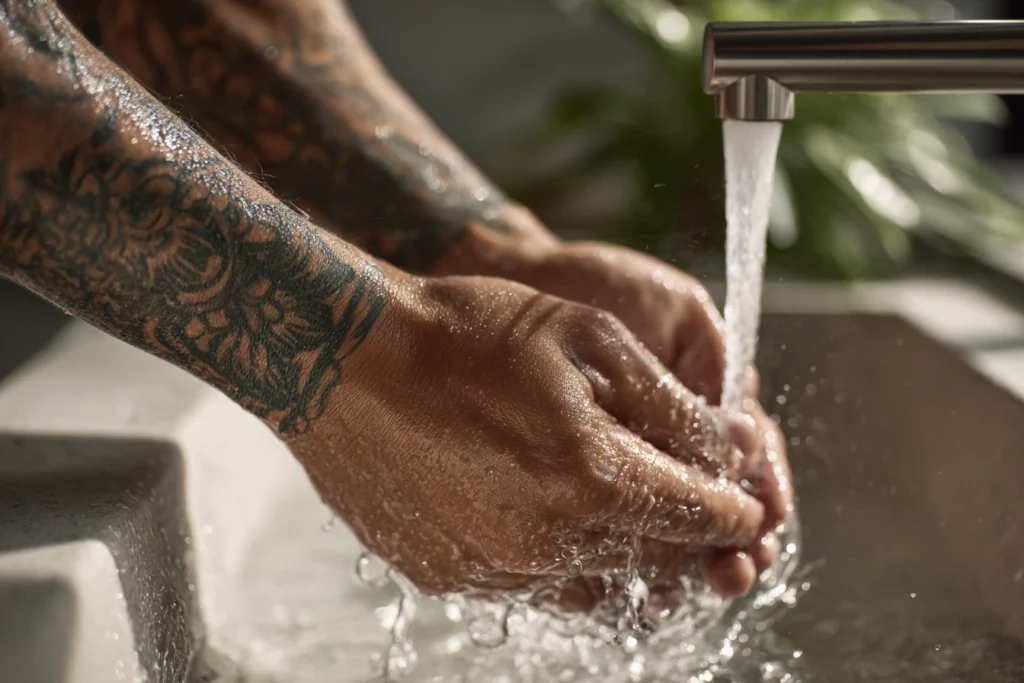
Gentle Cleansing
Wash the tattoo with lukewarm water and a mild cleanser to remove debris without irritating the skin.
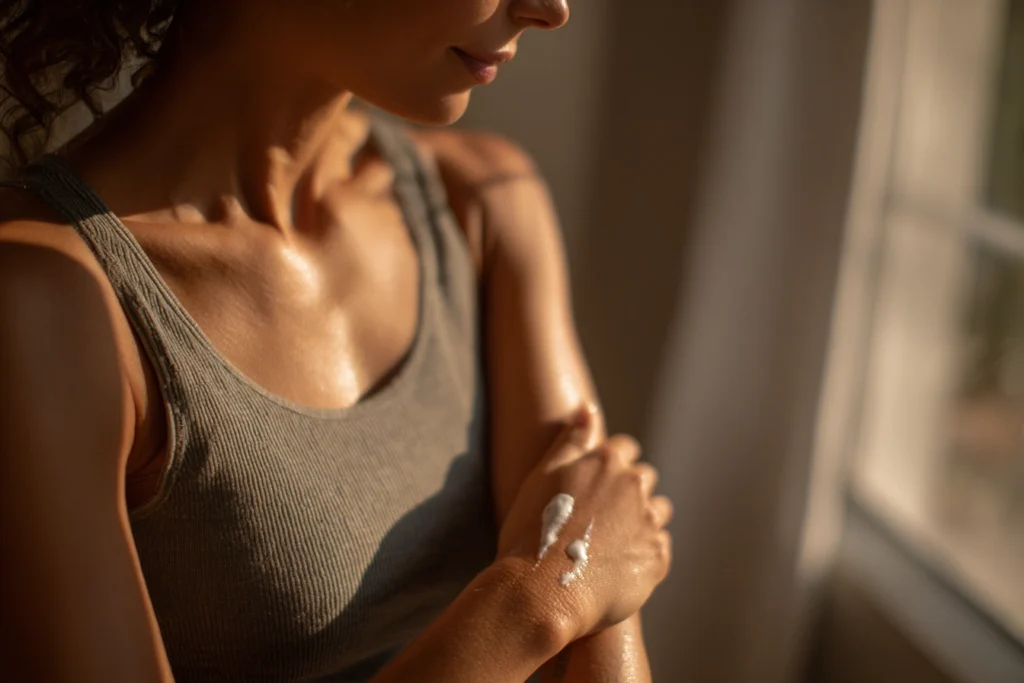
Balanced Moisturizing
Use lightweight moisturizers to maintain hydration while allowing the skin to breathe. Overly thick products can slow healing.
Sun Protection
Fresh tattoos are highly sensitive to UV radiation. Limiting sun exposure protects collagen and prevents pigment fading.
Avoid Scratching or Soaking
Picking at scabs or soaking the tattoo in water may disrupt healing and increase infection risk. Patients who follow these recommendations usually experience a smoother recovery timeline.
Signs of Delayed or Abnormal Healing
While mild discomfort is normal, certain symptoms suggest a problem:
- Increasing redness or swelling
- Persistent pain
- Thick discharge
- Raised scars or unusual texture
Anyone unsure about how long does a tattoo take to heal should seek medical evaluation if symptoms worsen instead of improving.
My Clinical Perspective
In my professional experience, education plays a major role in tattoo healing outcomes. Patients who understand how long does a tattoo take to heal are more patient and less likely to overuse products or disturb the healing process.
Many individuals judge healing based solely on appearance, but biology tells a deeper story. True recovery involves cellular repair that continues long after the tattoo looks perfect. When patients understand this concept, they are less anxious during peeling stages and more committed to gentle aftercare.
Supporting Healthy Healing Naturally
Although healing cannot be rushed, certain habits support recovery:
- Stay hydrated
- Maintain balanced nutrition
- Get adequate sleep
- Avoid smoking during early healing
Simple, consistent care often leads to the best results. In clinical practice, I find that minimal but regular routines are more effective than complex skincare regimens when considering how long does a tattoo take to heal.
Frequently Asked Questions About Tattoo Healing
How do you know if your tattoo is healed?
A tattoo is usually considered healed when redness, swelling, peeling, and tenderness have disappeared, and the skin feels smooth without scabs. However, even when the surface looks normal, deeper layers of the skin may still be repairing for several weeks.
What not to do after you get a tattoo?
Avoid scratching, picking scabs, soaking the tattoo in water, exposing it to direct sun, or using harsh skincare products. Tight clothing and excessive friction can also slow healing and affect pigment retention.
Can a tattoo heal in a week?
Most tattoos cannot fully heal in one week. While initial inflammation may improve within days, the epidermis usually needs two to three weeks to recover, and deeper healing can continue for months.
What helps a tattoo heal faster?
Gentle cleansing, light moisturizing, good hydration, balanced nutrition, and avoiding smoking support healthy healing. Following professional aftercare instructions consistently is the safest way to promote faster recovery without increasing complications.
Final Thoughts
So, how long does a tattoo take to heal? From a medical standpoint, the surface may recover within a few weeks, but full healing can take several months depending on skin type, aftercare, and overall health.
Understanding how long does a tattoo take to heal helps set realistic expectations and encourages safer healing practices. Tattoos are permanent forms of art, but the skin beneath them remains living tissue that requires time, patience, and proper care to recover fully.
By respecting each stage of healing and following evidence-based recommendations, individuals can protect both their skin health and the longevity of their tattoo.
This guide is informed by medically reviewed insights from trusted source , helping ensure accurate and evidence-based information.